Commercial Roofing Services
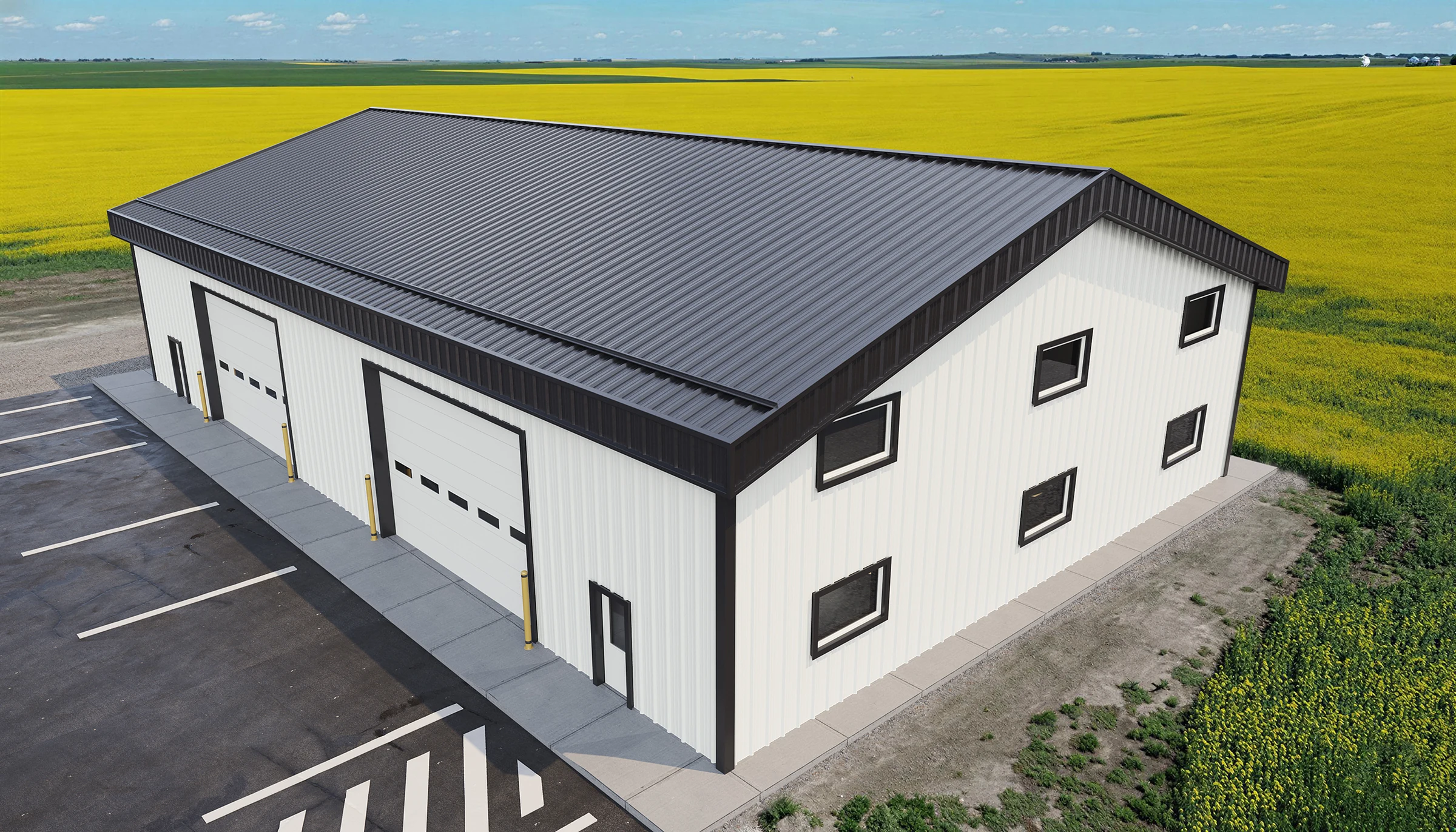
Metal R-Panel Roofing in Columbus, GA
Exposed-Fastener Metal for Manufacturing and Distribution Buildings
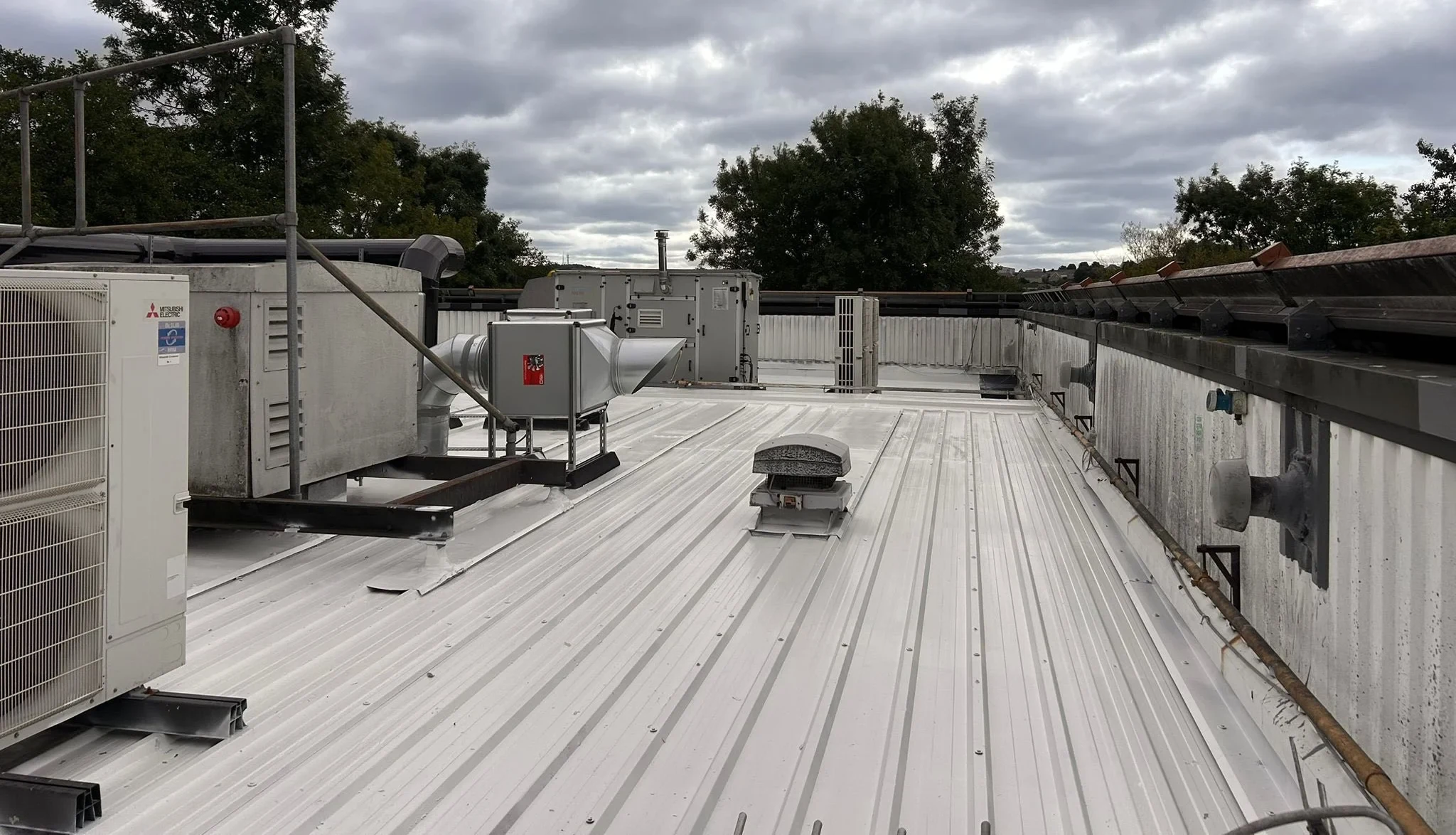
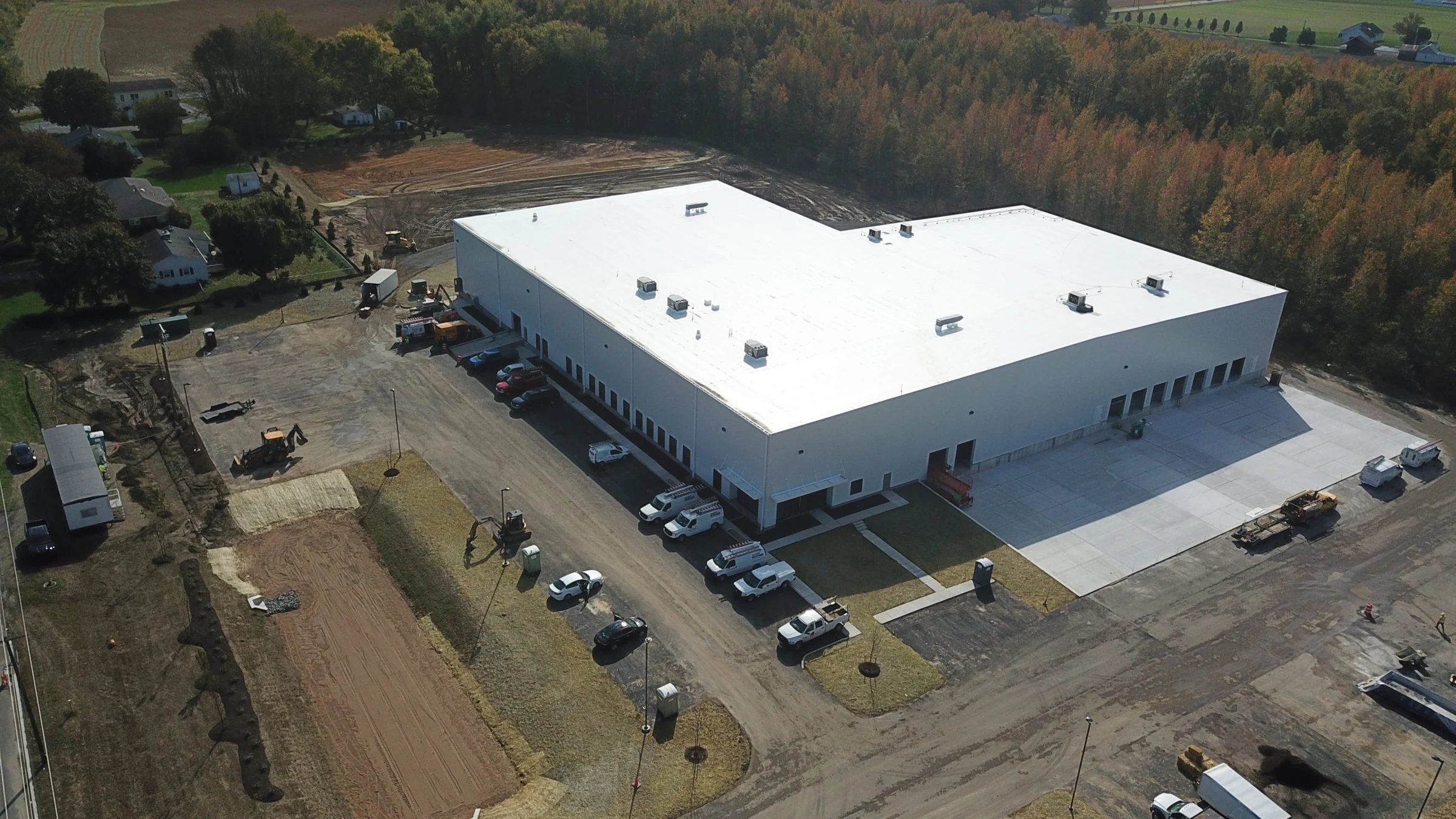
R-panel and other exposed-fastener metal systems cover a large share of the manufacturing plants and distribution buildings across the metro, from facilities supplying the base to warehouse space along the industrial corridors outside downtown. The system costs less to install than standing seam and covers large fields quickly, which matters on buildings where square footage runs into the hundreds of thousands.
Where R-Panel Fits in This Market
Plant and warehouse construction favors exposed-fastener metal because of installation speed and lower material cost per square foot compared to concealed-fastener systems. On a building where the roof's job is to keep production or storage space dry rather than present an architectural statement, R-panel does that reliably and at a price point that makes sense for large-format industrial buildings.
The tradeoff is maintenance. Exposed fasteners penetrate the panel directly, and every one of those penetrations is a potential leak point once the fastener washer degrades or the fastener backs out from thermal cycling. That maintenance need is the main thing that separates R-panel from standing seam over a multi-decade service life.
Cost still drives most decisions on new plant construction, and for an owner weighing square footage in the hundreds of thousands against a project budget, the difference between exposed-fastener and concealed-fastener systems adds up fast. We're upfront about that tradeoff during the initial consultation rather than steering every job toward the higher-cost system regardless of the building's actual needs.
Fastener Backout Under Georgia's Thermal Cycling
The swing between a hot summer afternoon and cooler evening after a thunderstorm moves the panel material enough over years of cycles that fasteners gradually work loose. A backed-out fastener with a compromised rubber washer is one of the most common leak sources we find on plant and warehouse roofs in this market, and it's rarely visible from the ground or even from a casual walk of the roof.
We check fastener condition systematically during inspections rather than spot-checking, since a roof with one failed fastener usually has others approaching the same point, given they were all installed at the same time and see the same thermal exposure.
Wind Uplift Resilience in a Tornado-Prone Region
This part of the state sees tornado risk as part of its regular severe weather pattern, and exposed-fastener panels depend entirely on fastener holding strength to resist wind uplift, unlike standing seam's floating clip design. Panel edges, ridge caps, and eave trim are where uplift failure typically starts, and we check those areas closely after any significant wind event, whether or not there's visible storm damage elsewhere on the property.
Re-torquing or replacing fasteners at these high-stress zones before they fail is far less disruptive than responding to a section of panels that's lifted during a storm. A lifted panel section during an active production shift also introduces a safety hazard on the plant floor below, which is a separate concern from the water intrusion issue itself and one that gets facilities managers' attention quickly.
Sequencing Installation Around Production Shifts
Plant roofs are rarely vacant during a reroof, and production equipment below can't tolerate debris, dust, or interrupted power during certain operations. We coordinate directly with plant operations before mobilizing to understand:
- Which production areas run continuously and can't have work directly overhead
- Shift change windows for material staging and crane operations
- Any process equipment sensitive to vibration from panel installation
- Power or utility access that needs to stay uninterrupted during the project
- Weather trigger points for securing an open section ahead of a storm
What We Check on Every R-Panel Inspection
Beyond fastener backout, we look at panel seam laps for gap or separation, ridge cap and eave trim attachment, sealant condition at panel end laps, and any area where rooftop equipment has been added or moved since original installation, since retrofit penetrations are a common source of undocumented leaks on older plant roofs.
Common Questions About R-Panel Roofs
How often should fasteners get checked or replaced?
We recommend a fastener condition check at least annually, more often on roofs approaching or past the fifteen-year mark, since backout accelerates as washers age.
Can you work around our production schedule?
Yes. We map continuous-run areas, shift changes, and vibration-sensitive equipment before mobilizing and sequence the work to avoid interrupting them.
Is R-panel a good choice for a new plant building?
For large-format industrial buildings where cost per square foot and installation speed matter more than architectural appearance, R-panel is often the right call, provided a fastener maintenance plan is part of the ownership commitment. We can build that maintenance schedule into the original project proposal, with a set annual inspection interval and a rough ongoing budget range, so it isn't an afterthought later, once the roof is finished, invoiced, and the crew has already moved on to the next site.
What happens if we skip fastener maintenance?
Backed-out fasteners and degraded washers become leak points, often at spots that aren't visible from a casual walk of the roof, which is why we recommend systematic checks rather than reactive repairs only.
How does R-panel handle wind uplift compared to standing seam?
Standing seam's floating clips distribute wind load differently than fastener-dependent R-panel, which is why fastener holding strength and edge detailing matter more on an exposed-fastener roof in this region's storm pattern. We factor that difference into the maintenance plan we recommend rather than treating both systems the same way after installation.
Ready to review the roof scope?