Commercial Project Types
Manufacturing Plant Roofing in Columbus, GA
Manufacturing Plant Roofing Around Columbus Production Lines
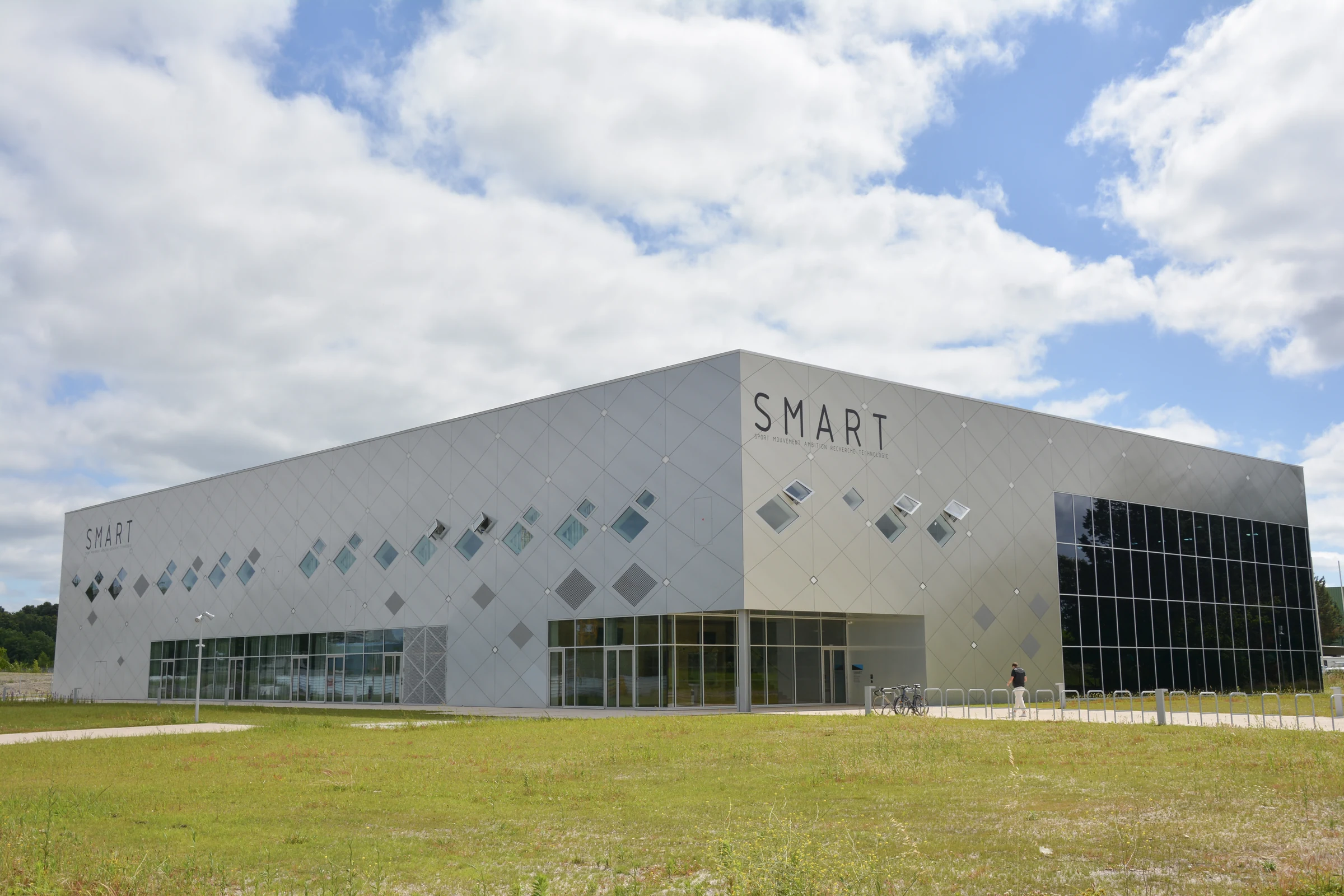
A manufacturing plant roof answers to the production line underneath it, not the other way around. Columbus and the surrounding corridor carry precision manufacturing, metal fabrication, and supplier operations tied to the region's automotive and aerospace work, and a roof leak or an uncoordinated tear-off over an active line can stop production faster than the roof problem itself.
Dock Doors Keep Moving
Shipping and receiving on a manufacturing plant does not pause for a roof crew. We stage material away from dock approaches, keep debris chutes clear of forklift paths, and sequence tear-off so loading doors stay operational through every shift change, including third shift where a lot of Columbus plants run continuous production.
Trailer staging and yard traffic patterns get mapped before the first section of roof opens. A dumpster or lift placed in the wrong spot on a manufacturing yard slows the roof job down and backs up trucks that plant management has scheduled around a tight receiving window.
Roof Penetrations for Dust Collection and Exhaust
Manufacturing roofs carry more penetrations per square foot than almost any other commercial building type: dust collection ductwork, process exhaust, make-up air units, and sometimes crane rail supports through the deck. Every one of those penetrations is a place where a membrane can fail first, so we inspect flashing at each curb before proposing a system-wide fix based on a sample area.
New equipment installed after the original roof often gets flashed in a hurry to keep production moving. We find those field-modified penetrations during inspection and flag them separately, since a rushed flashing detail from an equipment install is a common source of leaks that have nothing to do with the membrane's overall age.
Plant expansions built onto an existing structure also create tie-in seams where an old roof section meets a newer addition, and those seams age differently than either section on its own. We inspect tie-in points as a distinct category during any plant assessment rather than folding them into a general condition rating for the whole roof.
Phasing Around Active Production Lines
We break plant roofs into zones tied to what runs underneath each section, weighted by production impact rather than square footage alone. A section over an active assembly line gets scheduled differently than a section over a warehouse or office mezzanine attached to the same building, because the cost of an interruption is not the same in both places.
Wet-process areas, paint booths, and clean-assembly zones need extra dust and moisture control during tear-off, since debris falling into a controlled process area can be a bigger problem than the roof leak that started the conversation. We coordinate containment with plant safety and quality staff before work begins over those zones.
Plant Safety Protocols on the Roof
Working above an active plant floor means our crews follow the plant's own safety orientation before stepping on the roof, in addition to our own site rules. We confirm lockout and tagout status for any equipment near a roof access point and identify fall-protection tie-off locations that don't conflict with crane paths or overhead conveyor lines running through the building.
Hot work near flammable storage or solvent-handling areas gets treated as its own approval step. We coordinate permit requirements with plant safety staff before any torch-applied membrane or heat-welding work happens over or near a zone the plant flags as a fire-risk area, and crews carry the plant's visitor badge and PPE requirements the same as any other contractor on the floor.
- Metal fabrication and machine shop buildings
- Precision component and aerospace supplier plants
- Automotive supplier and tier-two manufacturing facilities
- Food and beverage production buildings
- Plastics and materials processing plants
- Plant office and warehouse additions attached to production space
Roof Systems That Hold Up to Plant Conditions
Plant roofs deal with airborne oils, grease, chemical exhaust, and heat loads that a typical office roof never sees. We match membrane type to what the plant's exhaust actually puts into the air, since a standard TPO membrane can degrade faster under certain grease or solvent exposure than a system built for that environment.
Ponding around low points near dust collectors and process equipment gets tracked separately from general roof drainage, because standing water combined with airborne contaminants accelerates membrane wear in ways a clean roof section does not experience.
Questions From Plant Managers and Facility Engineers
Can a plant roof be replaced without shutting down production?
In most cases, yes. We zone the roof to match what runs below each section and schedule tear-off over active lines during planned downtime or lower-volume shifts whenever the plant can identify one.
How do you handle roof penetrations added after the original install?
We inspect and flag every field-added penetration separately during the initial walk, since these are often flashed differently than the roof's original details and tend to fail first.
What roof system handles grease and exhaust exposure best?
It depends on what the plant's exhaust actually contains. We assess the specific exposure before recommending a membrane rather than assuming one system works for every manufacturing environment.
Can dock doors stay in operation during a plant reroof?
Yes, keeping dock doors clear is one of the first things we plan around. Material staging and debris routes are set up specifically to avoid blocking receiving and shipping traffic.
How often should a manufacturing plant roof be inspected?
Plant roofs with heavy exhaust or dust exposure generally need more frequent inspection than a standard commercial roof, since airborne contaminants can accelerate wear that is not visible from inside the building.
Ready to review the roof scope?