Commercial Roofing Services
Roof Insurance Documentation Support in Columbus, GA
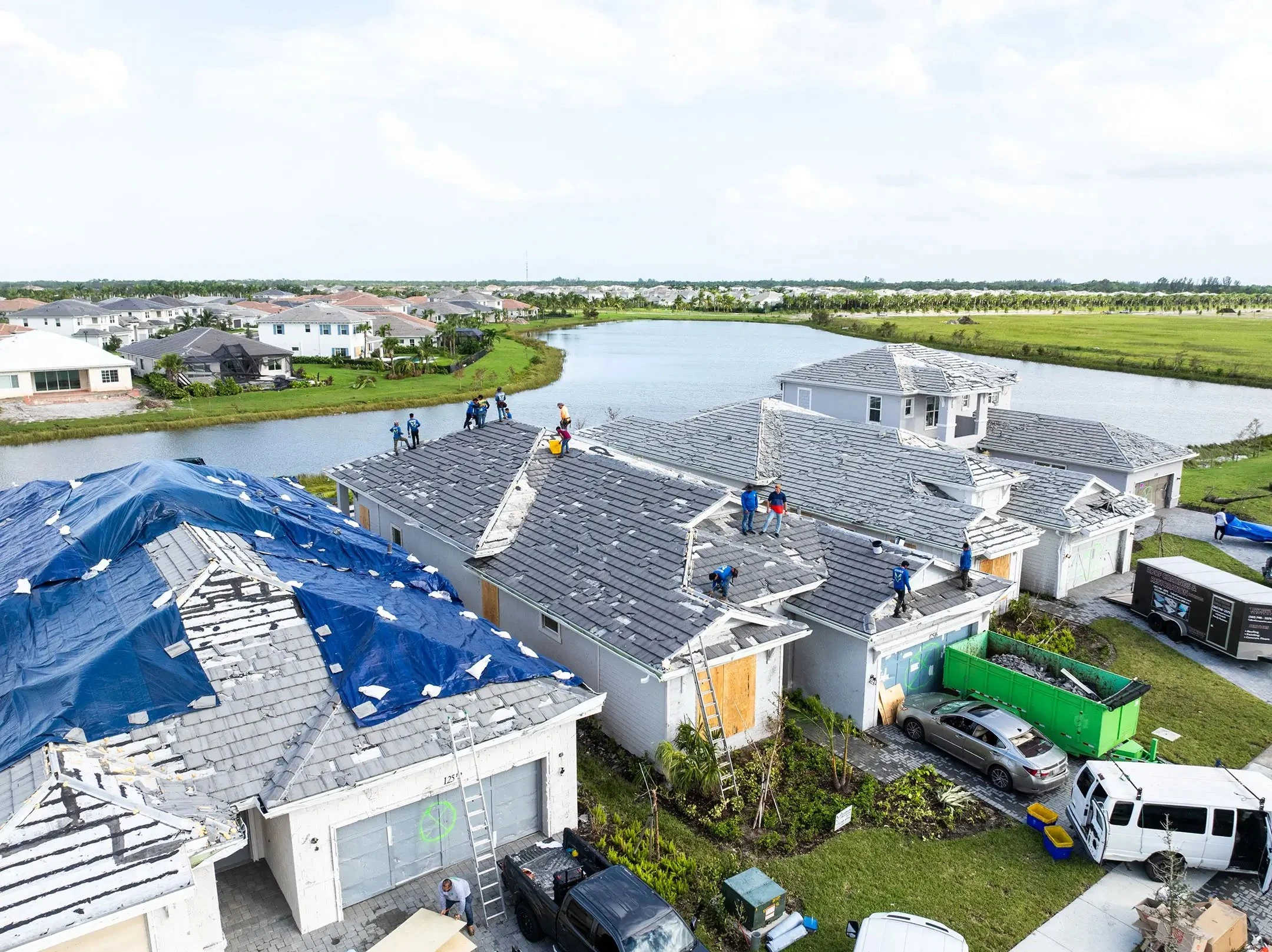
Documentation That Holds Up When You File a Claim
An insurance claim is only as strong as the documentation behind it. We put together dated photos and a written condition report after storm events or scheduled inspections, organized the way an adjuster actually reviews a file rather than the way a roofing crew happens to take notes. This page covers the documentation itself; for the full claim picture — meeting your adjuster, framing complete scope, and what to do if a claim is denied or underpaid — see our commercial roof insurance claim assistance overview.
What a Usable Claim File Actually Needs
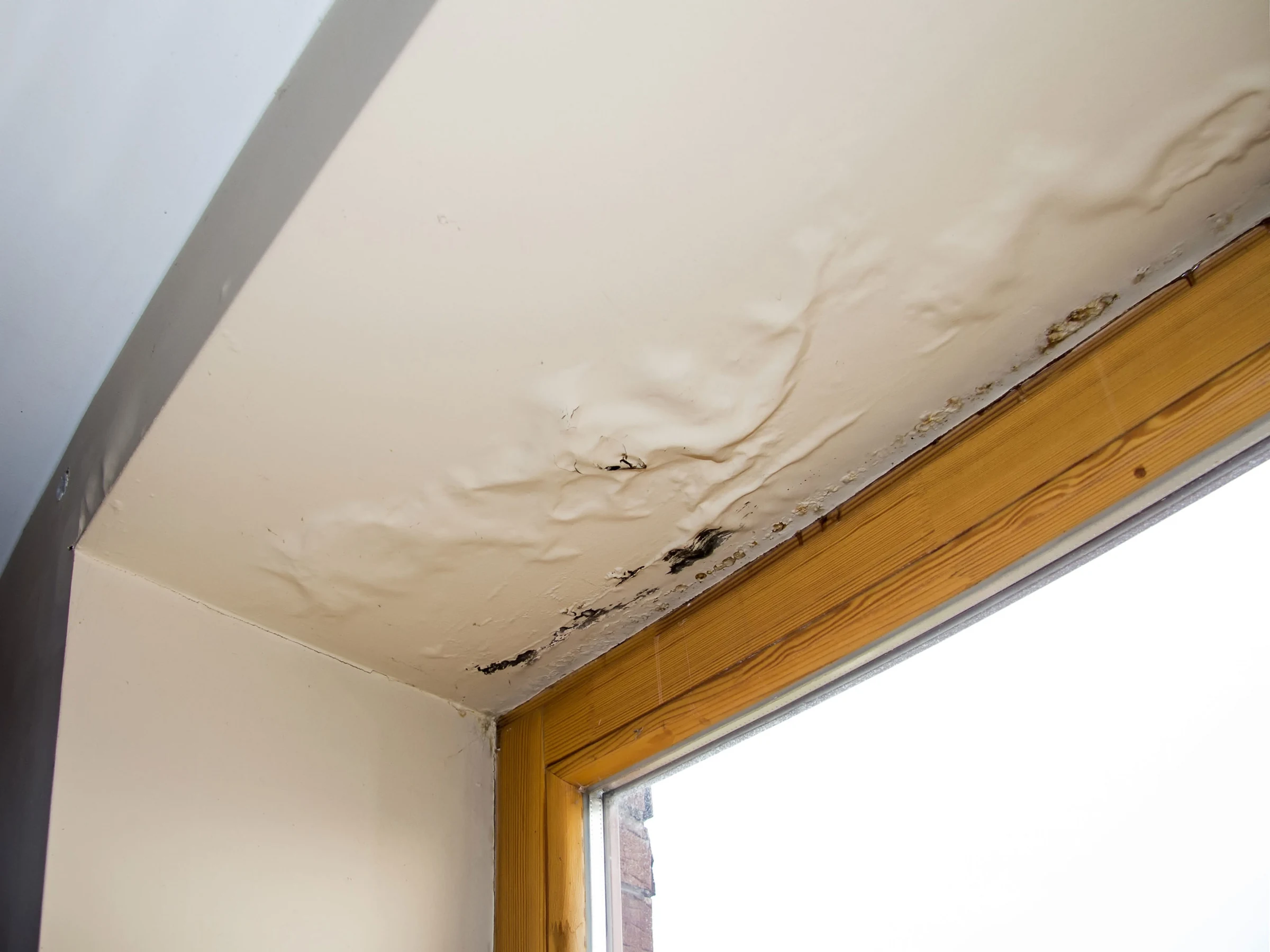
Adjusters need dated photos tied to specific roof locations, a written description of the damage mechanism, and, where possible, a pre-loss condition reference to compare against. We build our reports around those three things rather than a general summary that leaves the adjuster guessing.
We describe what we observed factually, including membrane condition, impact patterns, and flashing wear, without characterizing cause beyond what the physical evidence supports.
Measurements matter as much as photos in a usable file, so we record ponding depth, impact spacing, and affected square footage alongside the images rather than leaving those numbers for someone else to estimate later.
Building a Pre-Loss Baseline Before You Need One
The strongest claim files start with a documented roof condition from before a storm ever happens, which is one reason we recommend seasonal inspections ahead of Georgia's spring storm window. A dated baseline report makes it much easier to show what changed after a specific event.
For owners without an existing baseline, we can still document current condition as a starting point, though a pre-loss record is always the stronger position going into a claim.
Documenting Damage Right After a Storm
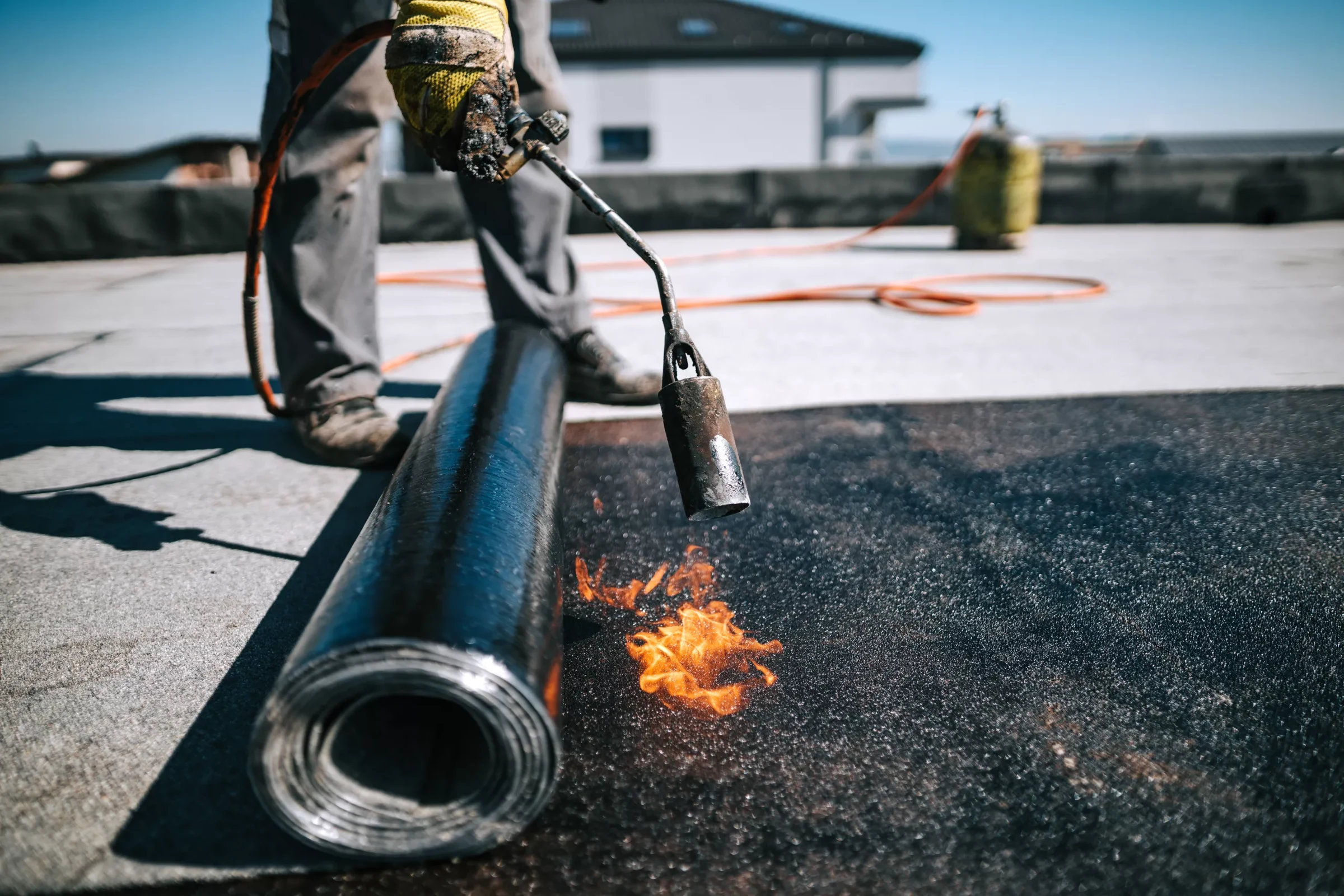
When we respond to storm damage or an emergency tarp call, photo documentation happens as part of that visit, capturing impact points, wind-lifted areas, and any interior damage before temporary repairs change the roof's appearance.
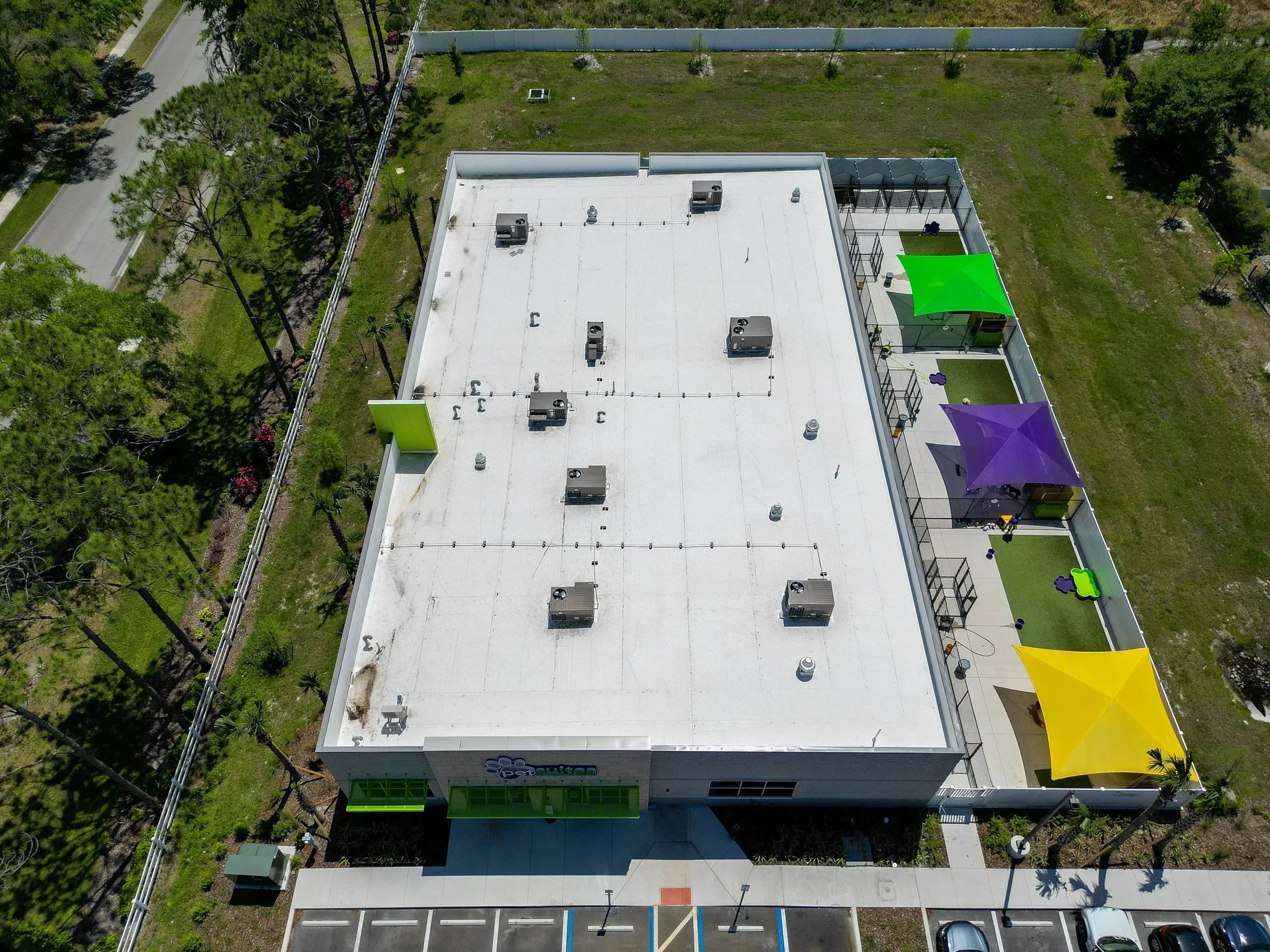
We organize this material by roof zone and penetration type, matching the layout an adjuster typically expects rather than a loose photo dump that requires extra work to interpret.
Timestamps and, where useful, weather data for the storm date get included alongside the photos, since tying physical damage to a specific dated event is often the detail that moves a claim forward instead of stalling on cause. For wind and thunderstorm events specifically, see our wind and storm damage claim page; for hail, see hail damage claim documentation.
- Dated photos tied to specific roof zones and penetration points
- Written description of observed damage mechanism, not speculation
- Pre-loss baseline documentation from seasonal inspections
- Reports organized by roof layout for faster adjuster review
- On-site walk-through available with your adjuster or public adjuster
- Technical answers on membrane condition and storm mechanics
- Maintenance history compiled for policy renewal support
Working Alongside Your Adjuster or Public Adjuster
We are glad to walk a roof with your adjuster or a public adjuster you have engaged, pointing out findings directly and answering technical questions about membrane condition, storm mechanics, or repair scope. Our role is providing accurate technical information, not negotiating the claim outcome.
We do not promise claim approval or a specific payout, since that decision belongs to your insurer, but we make sure the physical evidence is documented clearly enough to support your position.
If an adjuster's initial scope looks incomplete against what we found on the roof, we will say so directly and point to the specific photos or measurements that support a broader look, rather than staying quiet to avoid friction.
Keeping Records Organized for Future Renewals
Beyond a single claim, an ongoing documentation history from regular inspections and maintenance visits can support better terms at policy renewal, since it shows a building with a maintained, monitored roof rather than one with an unknown condition history.
Consistent Documentation Across a Multi-Property Portfolio
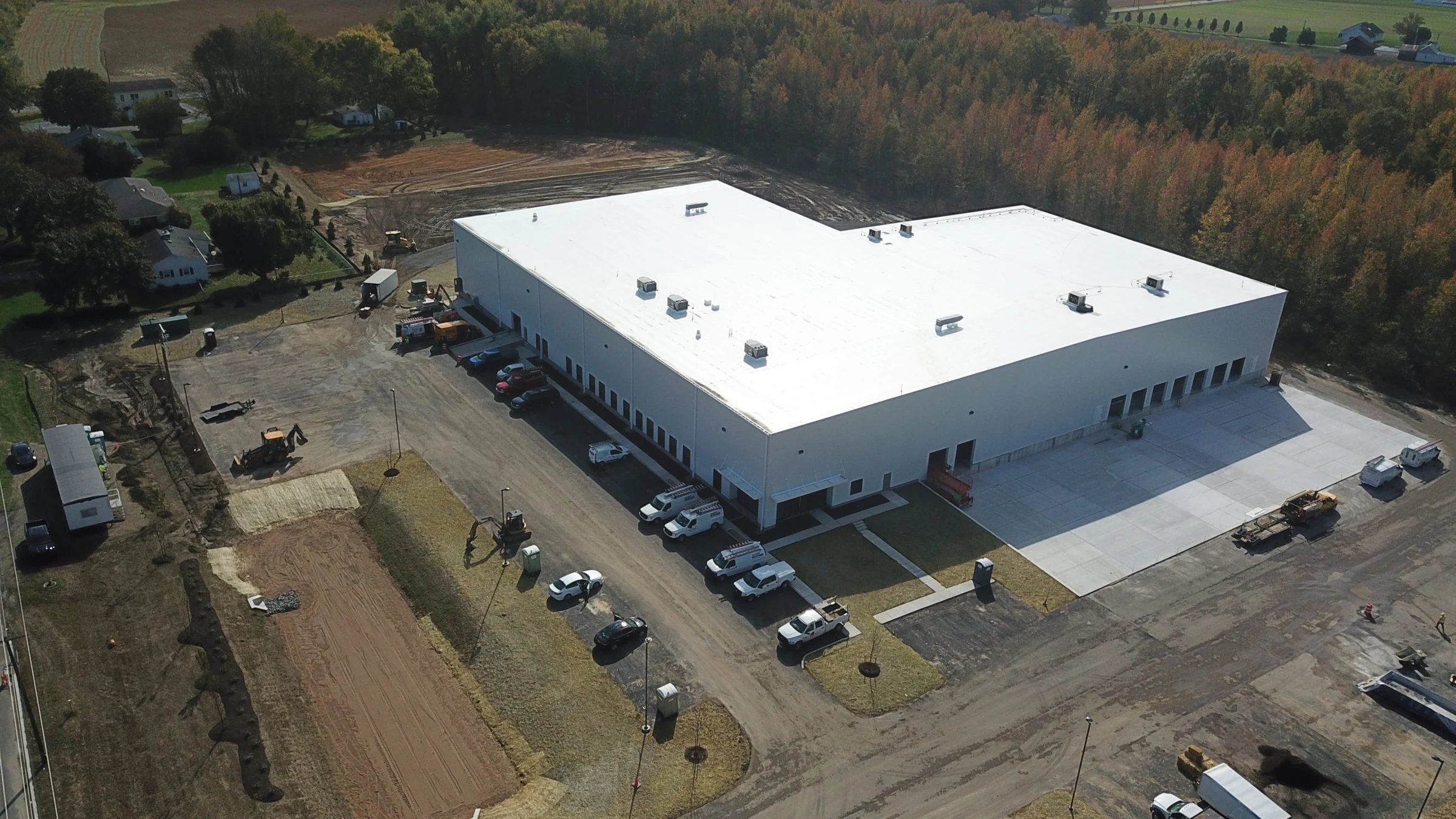
Owners and property managers with several roofs across Columbus, whether office buildings near the financial services corridor downtown or retail sites out along Manchester Expressway, need claim documentation in a consistent format so an insurer or lender reviewing multiple properties is not comparing reports built by different vendors with different standards.
We keep every property's report in the same structure year over year, which makes it easier for a risk manager to spot which building in a portfolio actually needs capital attention versus which one just had a routine storm event with no lasting damage.
Insurance Documentation Questions
Can you guarantee our claim will be approved if you document it?
No, and we will not promise that. Claim decisions belong to your insurer. What we provide is accurate, dated technical documentation that gives your claim the strongest possible factual foundation.
Do we need a pre-loss inspection for documentation to be useful?
It helps significantly but is not required. We can document current condition as a starting point even without a prior baseline, though a documented history from before an event always strengthens a claim.
Will you meet with our insurance adjuster on site?
Yes. We regularly walk roofs alongside adjusters and public adjusters, answering technical questions about damage mechanisms and repair scope.
How quickly after a storm can you provide documentation?
Photo documentation happens during the same visit as any emergency response or storm damage assessment, and a written report typically follows within a few business days.
Does documentation help outside of storm claims?
Yes. A maintained inspection and maintenance history can support better terms at policy renewal by showing insurers the roof condition is actively monitored rather than unknown, and it gives your broker something concrete to present when negotiating premiums or deductibles, which is a written PDF report with photos keyed to a roof diagram that we can send directly to you, your broker, or your adjuster on request.
Ready to review the roof scope?