Commercial Roofing Services
Roof Recover and Overlay in Columbus, GA
Recovering an Existing Roof Without Stopping Operations
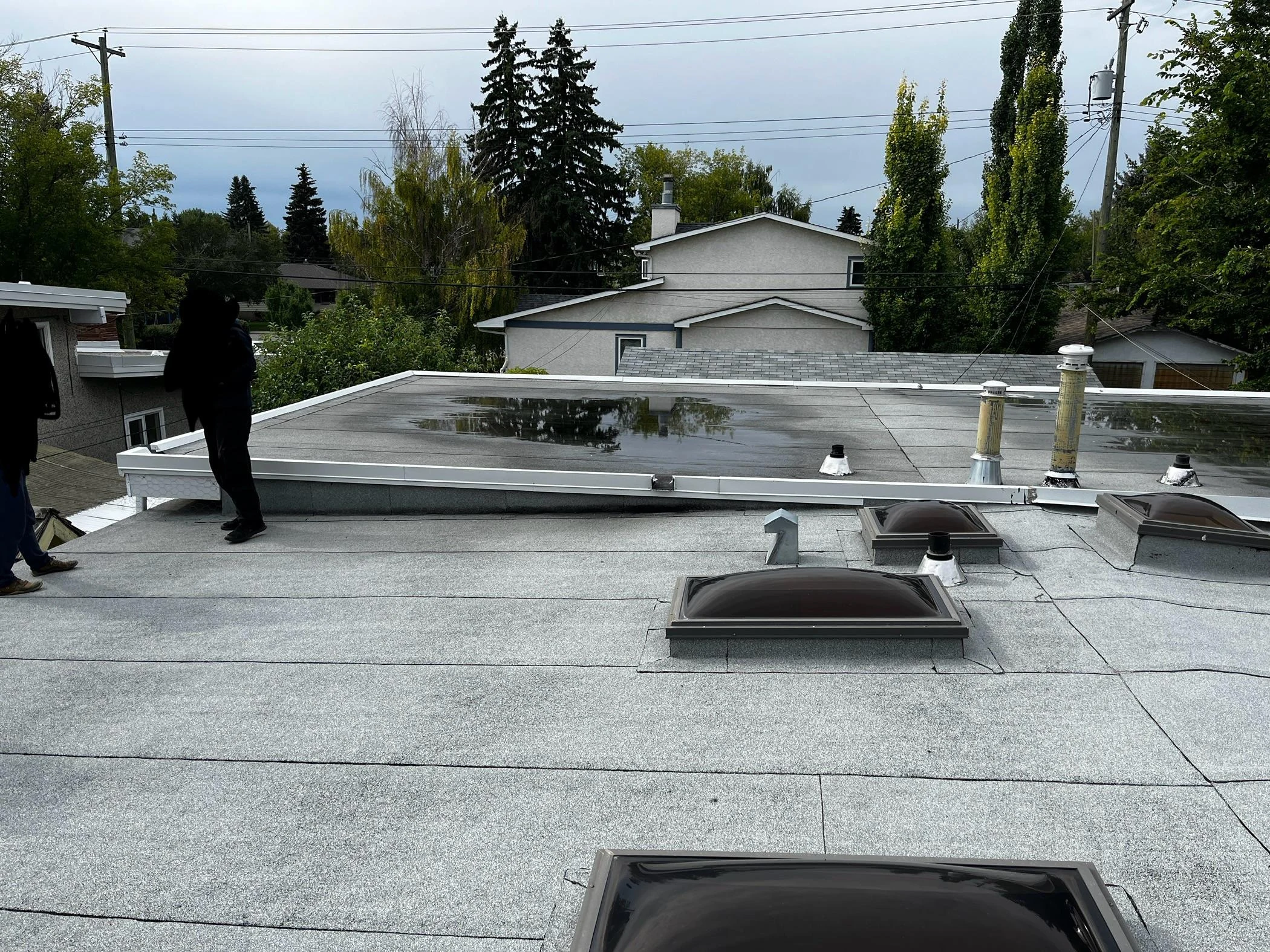
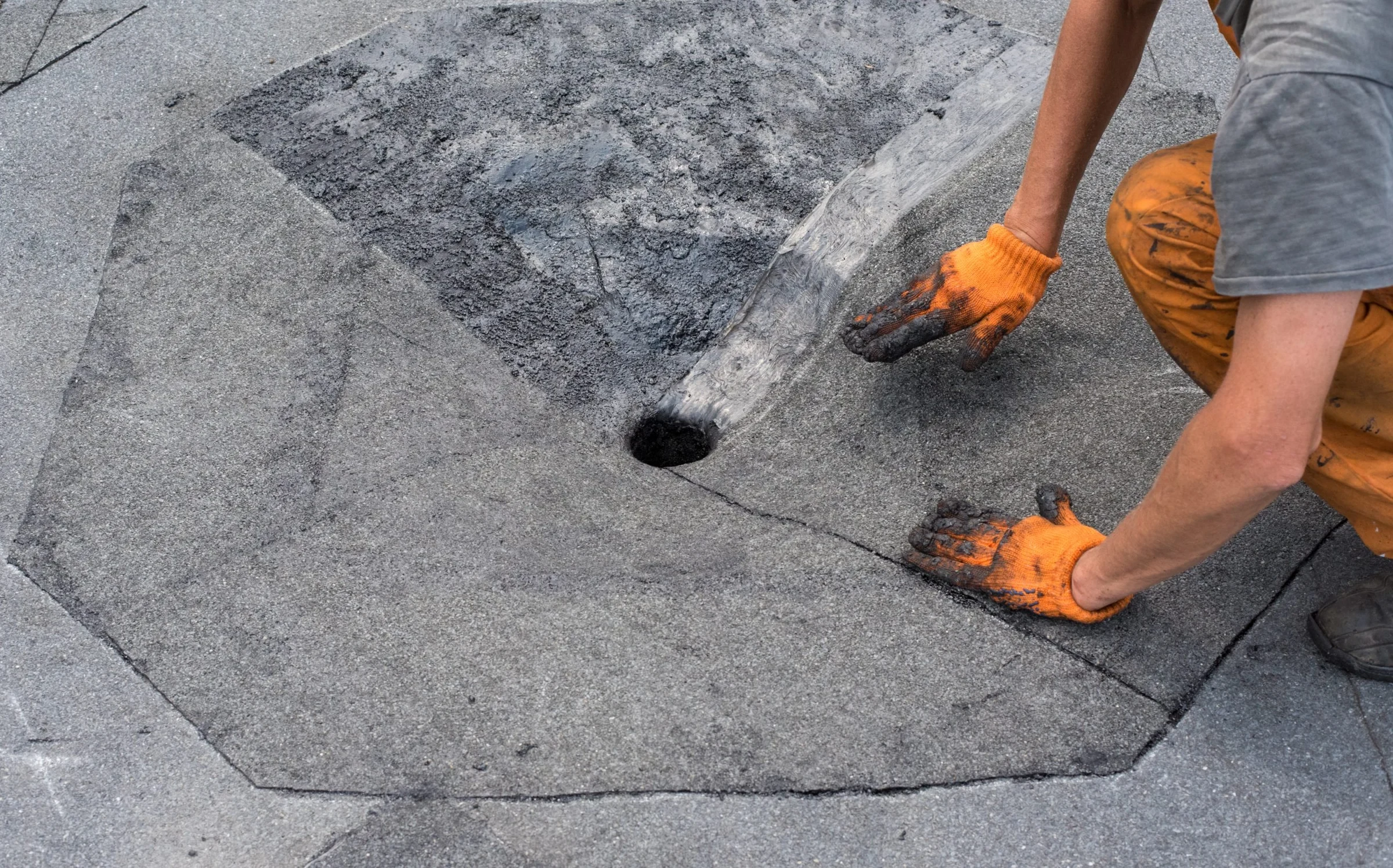
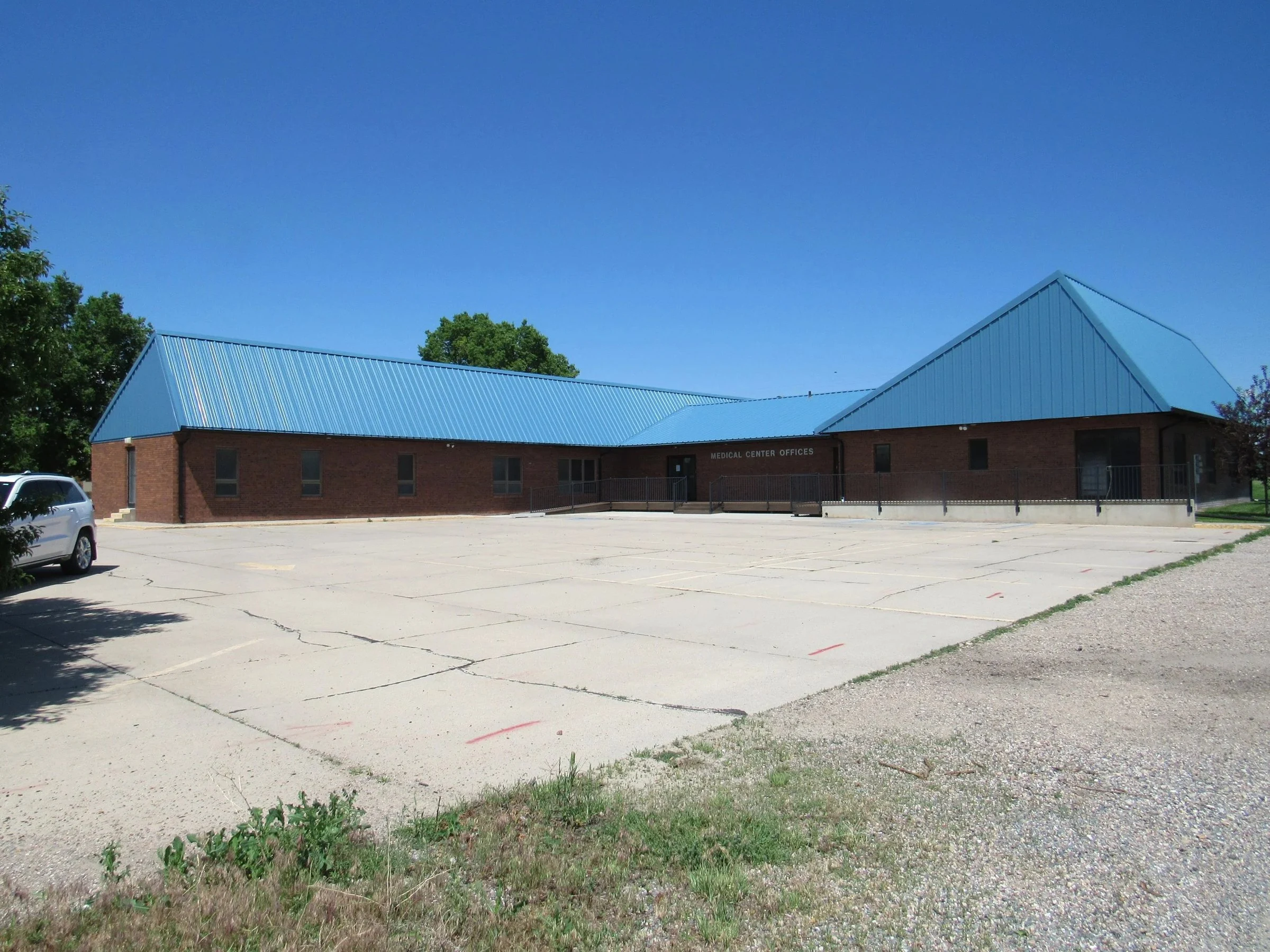
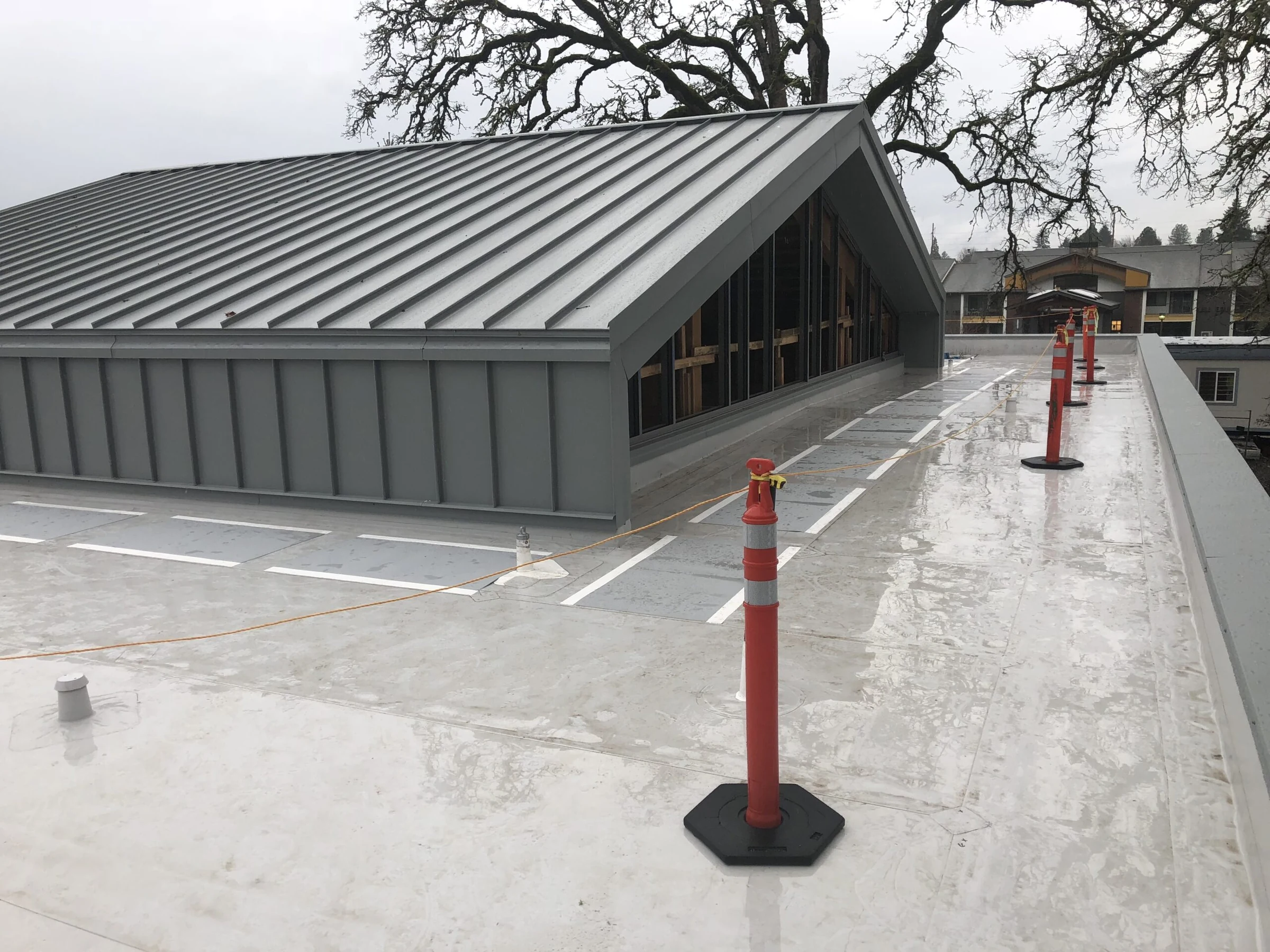
A full tear-off and replacement isn't always necessary, and on a dock-heavy distribution building or an occupied hospital wing, avoiding one matters as much as the roofing decision itself. Recovering an existing roof, installing a new membrane over the existing system rather than removing it first, cuts both project timeline and disruption when the underlying roof qualifies.
What Qualifies a Roof for Recover Instead of Replacement
The deck needs to be dry and structurally sound, and most codes limit recover to buildings with one existing roof layer already in place, not a roof that's already been recovered once before. We confirm both before recommending recover: moisture surveys to check for wet insulation, and a review of the roof's history to understand how many layers are already down.
Buildings that fail either of those checks need a tear-off, since recovering over a wet deck or an already-layered roof just traps the existing problem under new material instead of solving it.
The moisture survey itself takes time, usually infrared scanning done during the temperature window where wet and dry insulation show the clearest contrast, followed by core cuts to confirm what the scan is showing. We build that survey into the project timeline upfront rather than treating it as an afterthought that delays the start date.
Why Recover Cuts Downtime on Occupied Buildings
Tear-off generates debris, noise, and open-roof exposure that a recover largely avoids, since the existing membrane stays in place as a base rather than getting removed first. On a distribution building where dock doors need to stay functional throughout the project, or a hospital wing where dust and debris below an open deck aren't tolerable, recover shortens the window where the roof is vulnerable and the building's operation is disrupted.
The tradeoff is that recover doesn't address problems hidden in the existing roof, wet insulation, deteriorated decking, or structural issues, the way a full tear-off inspection would catch them. That's why the qualification survey matters as much as the recover installation itself.
Adding Insulation and Cover Board During Recover
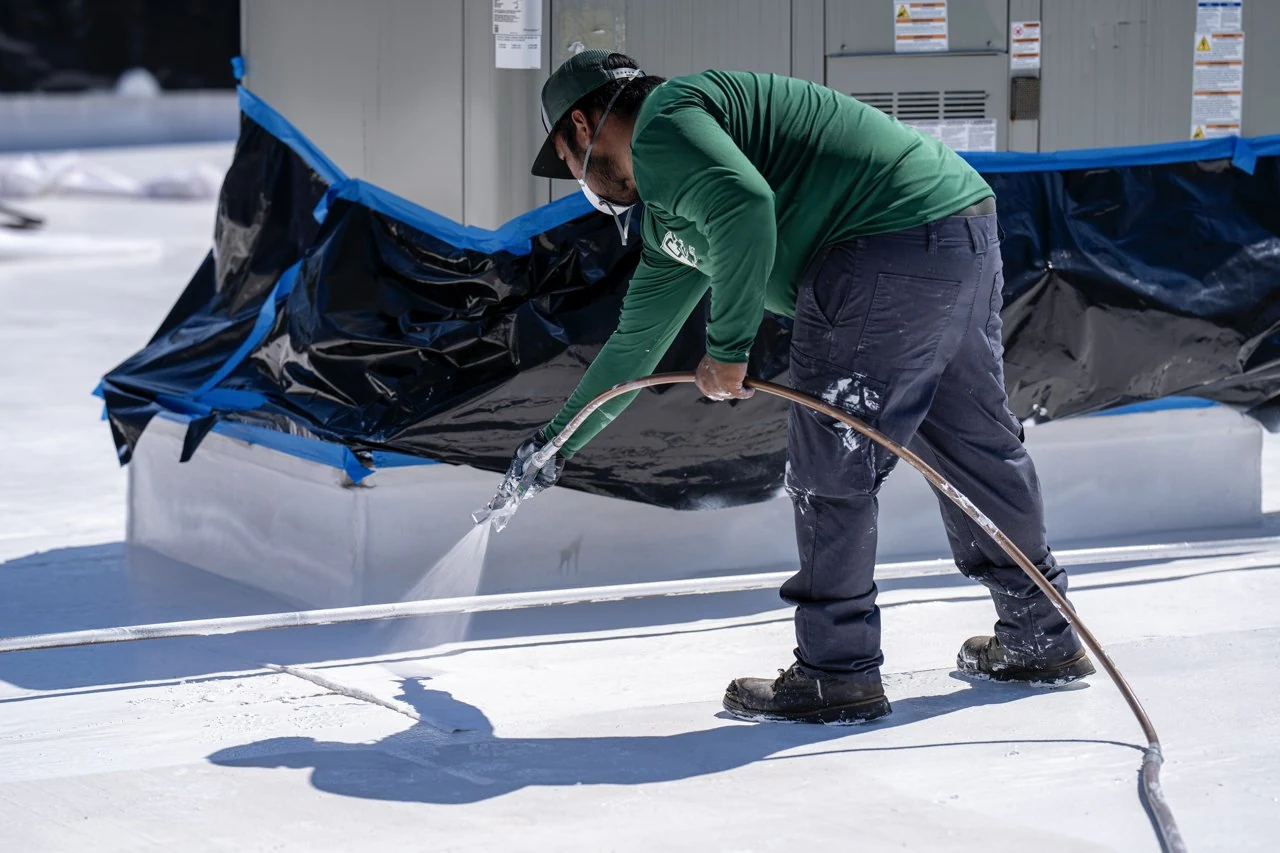
A recover project is a practical opportunity to improve the roof's insulation value, since a new cover board and insulation layer goes down as part of the new system regardless. On older buildings with minimal roof insulation, particularly some of the older Fort Moore-era and Uptown structures still carrying original roof assemblies, that added insulation reduces cooling load during Georgia's long summer season on top of the water-shedding benefit of the new membrane.
Current code often requires meeting a higher insulation standard on a recover project than what the original roof carried, so the insulation upgrade isn't always optional, it's frequently a code-driven part of the scope. We factor that added R-value into the cooling load conversation with building owners, particularly on older structures where the existing insulation was minimal to begin with and the upgrade makes a measurable difference during the hottest months.
Phasing Recover Work Around Dock and Shift Schedules
Because recover doesn't require opening the deck the way a tear-off does, we can phase it more aggressively around an active building's schedule:
- Sectioning the roof into zones that align with dock door groupings below
- Completing each zone's dry-in before moving to the next, rather than leaving multiple open sections
- Scheduling crane and material delivery around shift changes and receiving windows
- Coordinating rooftop equipment relocation or platform work with facilities staff in advance
- Keeping a weather contingency plan for each zone given how quickly storms build here in summer
When Recover Isn't the Right Call
We don't recommend recover just because it's faster and less disruptive. If moisture surveys show wet insulation across a meaningful percentage of the roof, if the deck shows signs of structural compromise, or if the building already carries two roof layers, we say so and walk through what a tear-off and replacement actually involves instead, including a realistic timeline for managing the disruption.
Common Questions About Roof Recover Projects
How do you know if our roof qualifies for recover instead of replacement?
We run a moisture survey to check for wet insulation and review the roof's layer history. Both need to check out before we recommend recover over a full tear-off.
Does recover really save that much time compared to tear-off?
Yes, generally, since we're not removing the existing system first. The exact time savings depends on square footage and how much of the building needs to stay accessible during the work.
Will recover meet current insulation code requirements?
In most cases the new insulation and cover board layer added during recover brings the roof up to current code, which is often a higher standard than what the original roof carried.
Can you phase recover work around our dock schedule?
Yes. We section the roof to align with dock door groupings and complete each zone's dry-in before moving to the next, which keeps more of the building functional throughout the project.
What happens if the moisture survey finds a problem?
If wet insulation or deck issues turn up, we recommend tear-off and replacement instead, since recovering over an existing problem just traps it under new material. We'd rather deliver that news before the project starts, with the survey data to back it up, than have it surface midway through a job that's already underway and much harder and costlier to reverse course on at that point.
Ready to review the roof scope?