Commercial Roofing Services
Commercial Roof Coatings in Columbus, GA
Reflective Acrylic Coatings for Sloped Metal Roofs
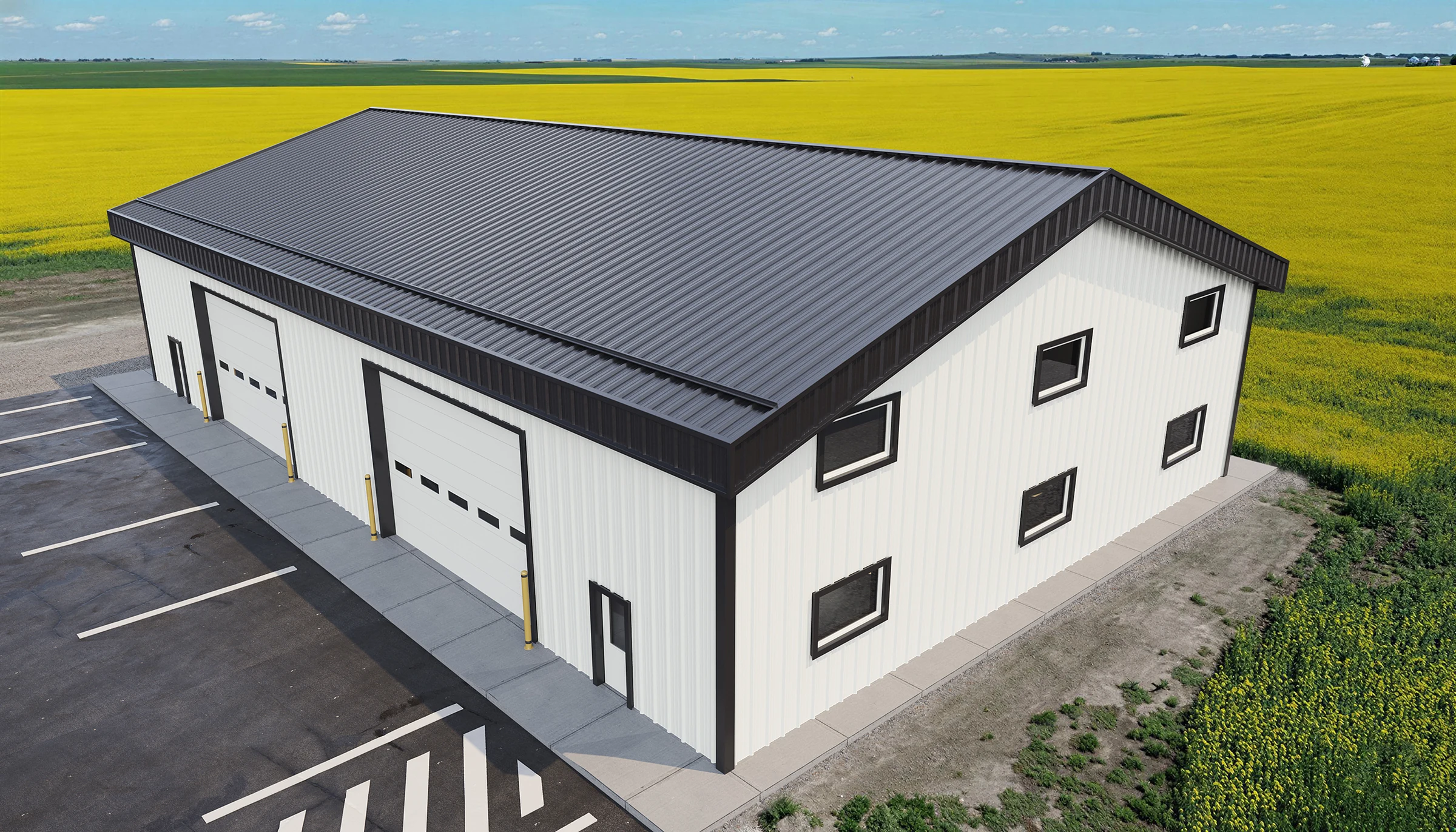
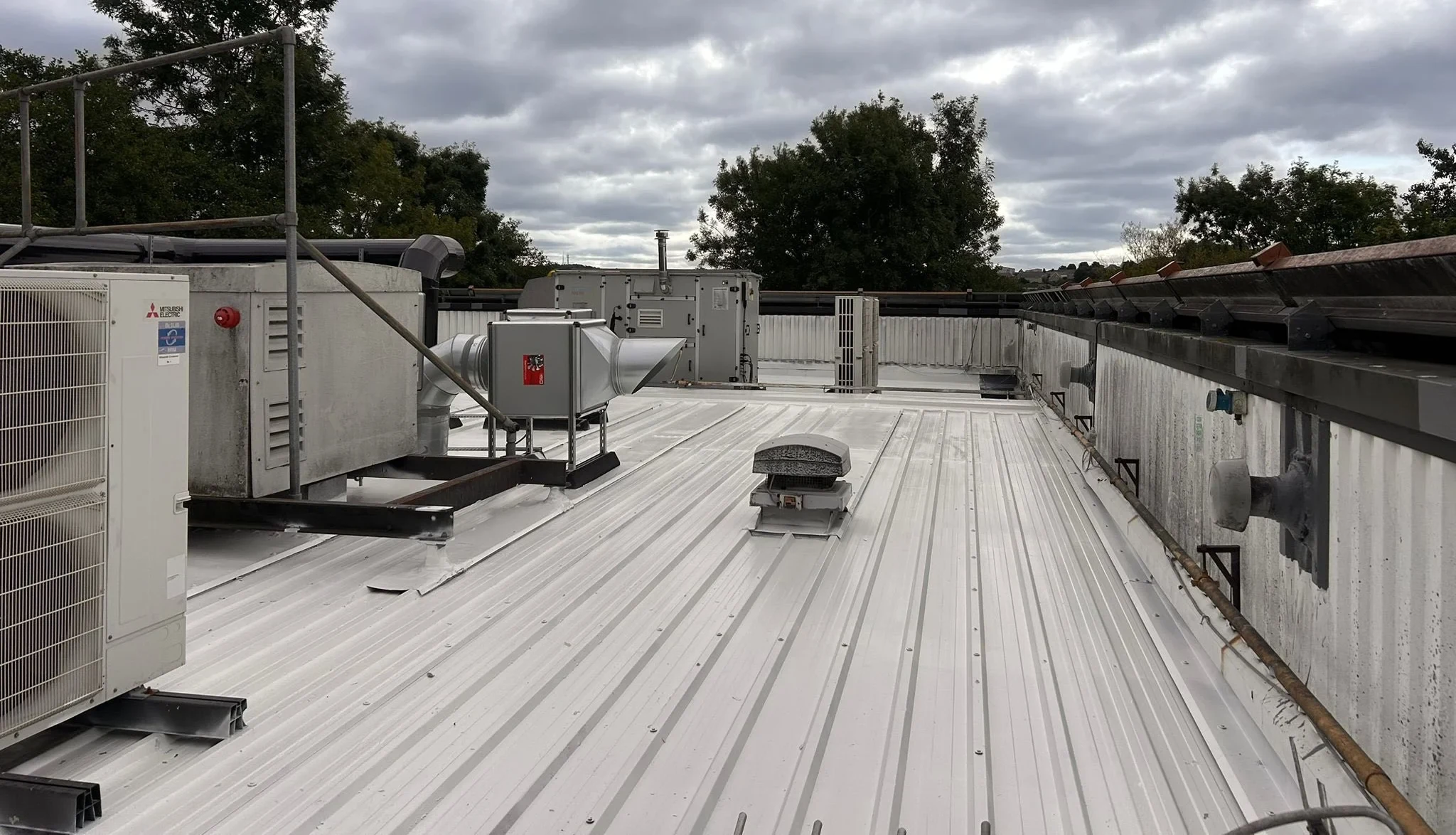
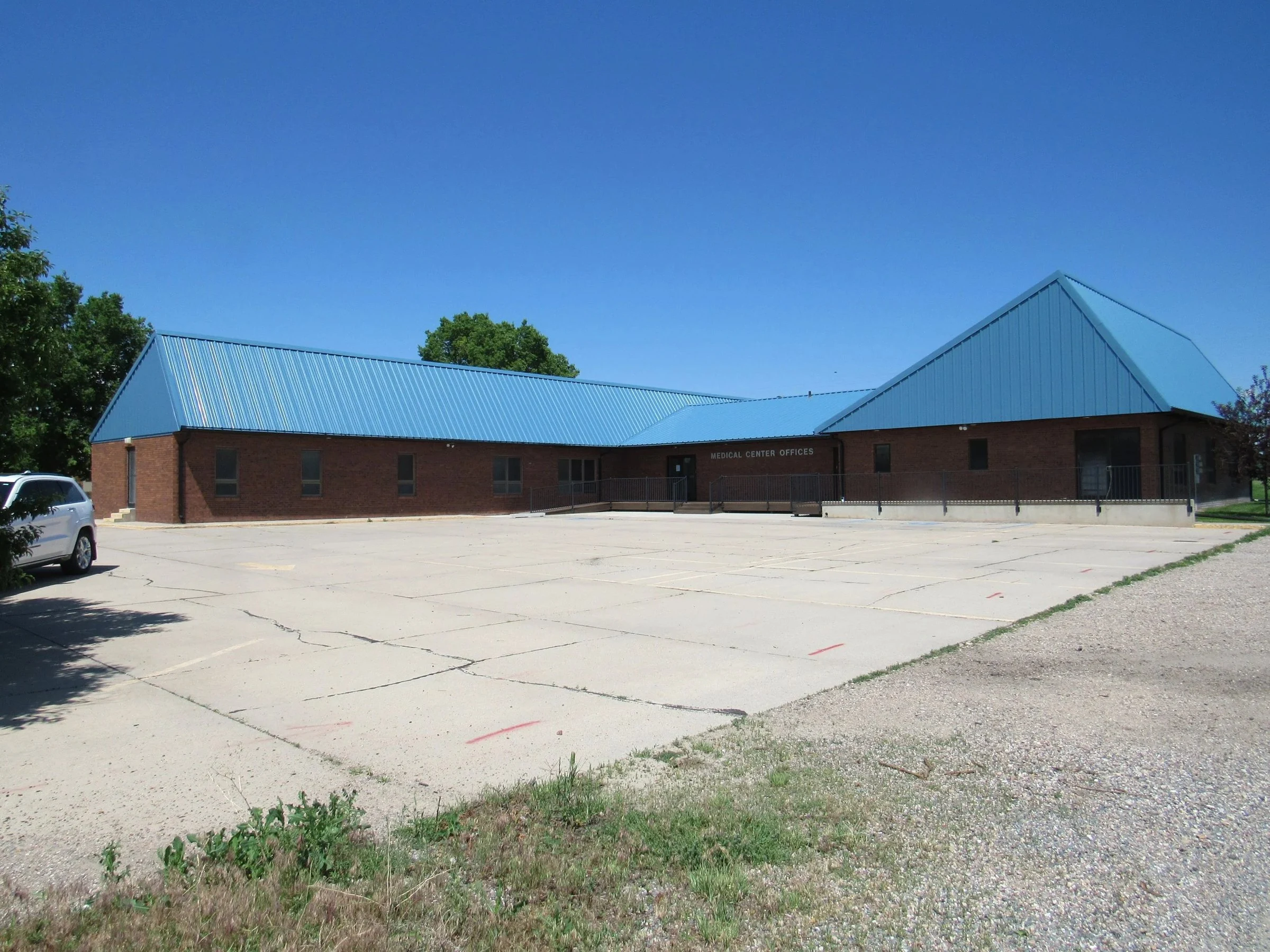
A coating recommendation starts with adhesion, moisture, drainage, membrane condition, detail preparation, and warranty eligibility—not every existing roof is a restoration candidate. Acrylic coating is the option we bring up most often for standing seam and R-panel roofs that have faded, chalked, or picked up rust spotting after years of Georgia sun, without ponding water as a factor. It costs less than silicone, applies well to sloped metal, and gives an aging metal roof a reflective, refreshed surface that reduces rooftop heat load.
Where Acrylic Fits Versus Silicone
The dividing line between acrylic and silicone comes down to standing water exposure. Acrylic coatings, unlike silicone, can soften or break down under prolonged ponding, so we don't recommend acrylic for flat roof areas with known drainage problems. Sloped metal roofs shed water quickly enough that ponding isn't a factor, which makes acrylic's lower cost the better value on those buildings without giving up meaningful performance.
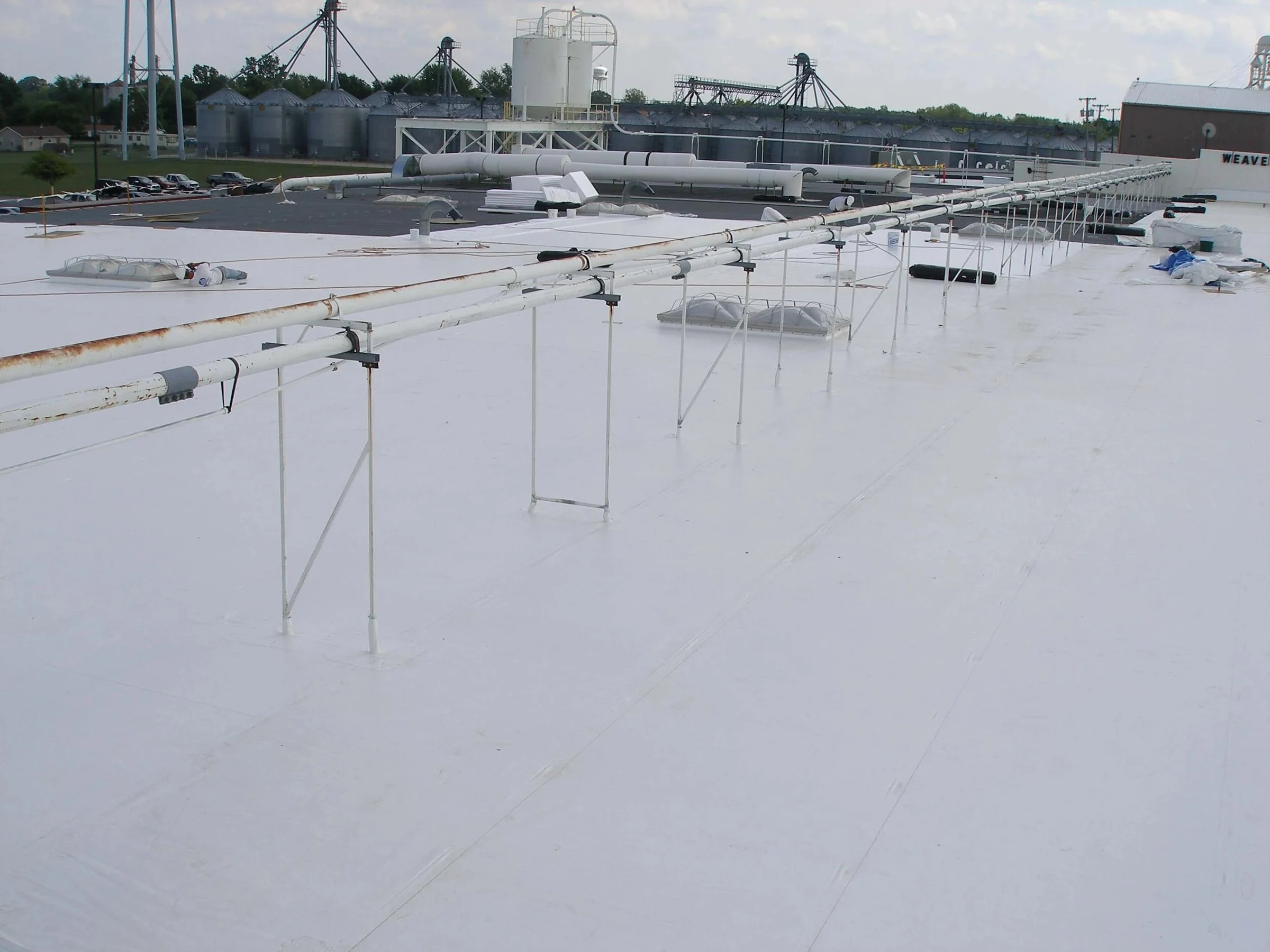
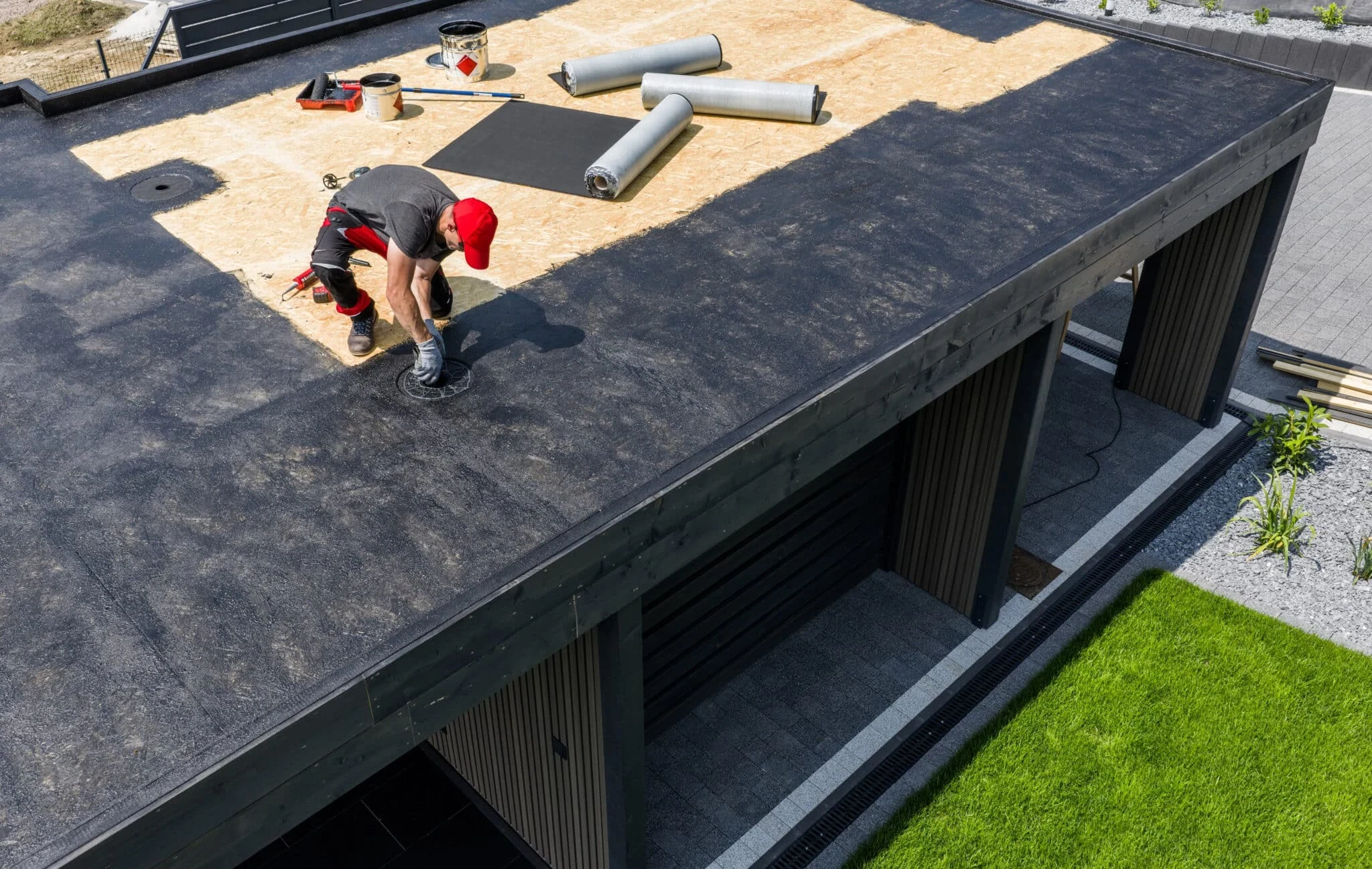
We see this distinction matter most on properties with mixed roof types, an office building with standing seam over the main structure and a flat membrane section over an addition. Those buildings sometimes need both coating types on the same project: acrylic on the sloped metal, silicone on the flat, ponding-prone section.
We spec each area based on how water actually behaves there rather than coating the whole roof with one product for the sake of simplicity. That means two crews or two phases on the same project sometimes, but it also means each section gets the coating chemistry suited to what it actually experiences instead of a compromise that underperforms on both.
Heat Reflectivity and Cooling Load in Georgia Summers
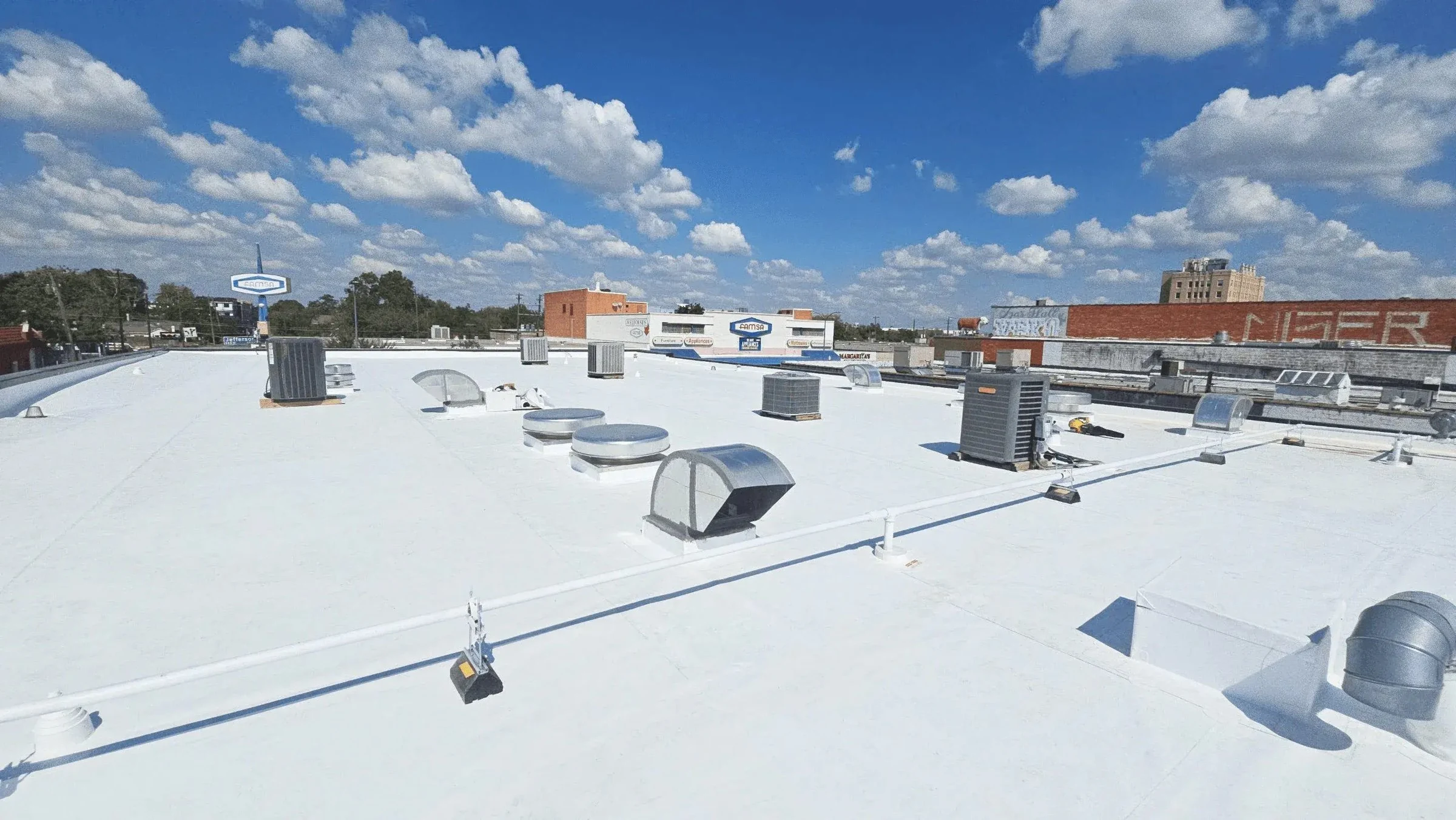
An aging metal roof that's chalked or oxidized loses much of its original reflectivity, absorbing more heat than it did when new and passing that heat load into the building below. A reflective acrylic coating restores much of that lost reflectivity, which on a building with rooftop units or attic space below the metal can meaningfully reduce cooling demand during the months when the HVAC system runs hardest.
The effect is most noticeable on buildings with minimal roof insulation, older structures where the metal panel is closer to being the only barrier between outside heat and conditioned space. On a warehouse with unconditioned storage below the roof deck, that heat load doesn't just affect comfort, it affects how hot stored goods get during the worst stretch of a Georgia summer, which matters for certain inventory types more than others.
Application Process and Surface Preparation
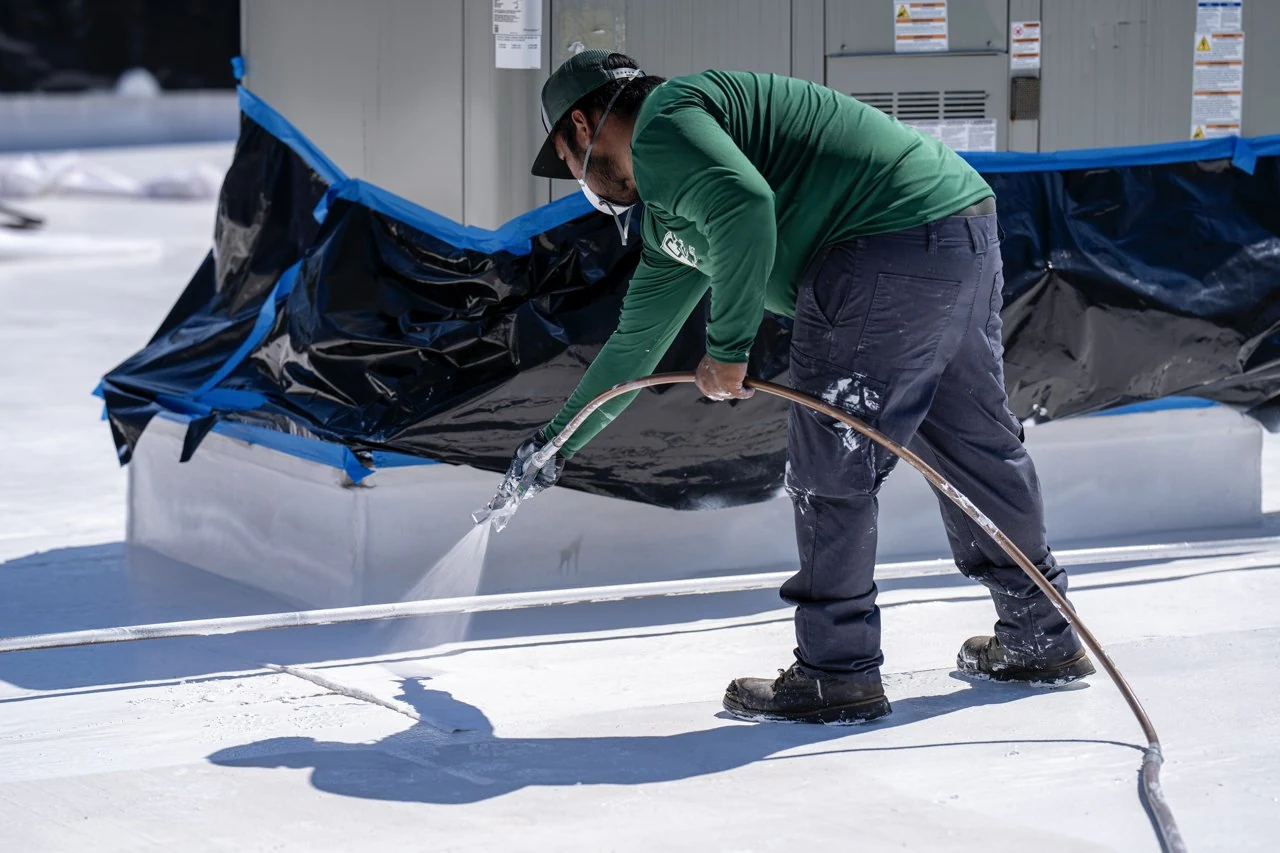
Acrylic coating over metal requires more preparation than people expect. Rust spots need to be treated and, in some cases, primed with a rust-inhibitive primer before coating, since coating directly over active rust just seals moisture in rather than solving the corrosion. Seams, fastener heads, and panel laps get detailed separately, often with a reinforcing fabric strip embedded in the coating at those higher-movement points.
We pressure wash to remove chalking and surface contamination before any coating goes down, since acrylic's adhesion depends heavily on a clean substrate, more so than some other coating chemistries.
Limitations Worth Knowing Before You Choose Acrylic
Acrylic isn't the right call in a few situations:
- Flat roof areas with known ponding or drainage problems
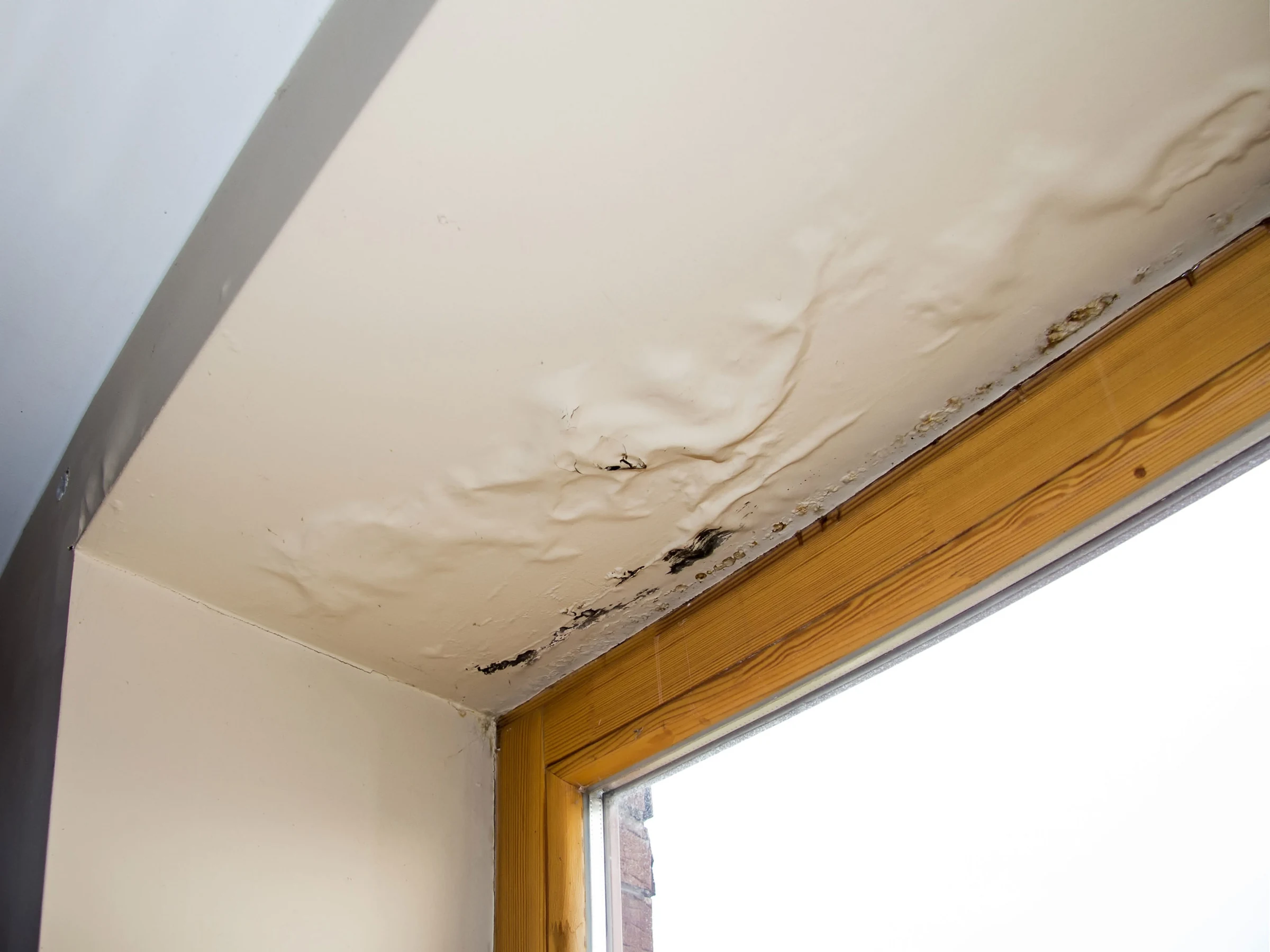
- Roofs with active structural leaks that need repair before coating, not instead of it
- Metal panels with advanced corrosion beyond what surface treatment can address
- Roofs where fastener backout hasn't been addressed, since coating over a loose fastener doesn't fix the underlying movement
We walk through these limitations honestly during the inspection rather than defaulting to the lower-cost option when it isn't the right fit for the roof's actual condition.
Sequencing Coating Work Around Plant Operations
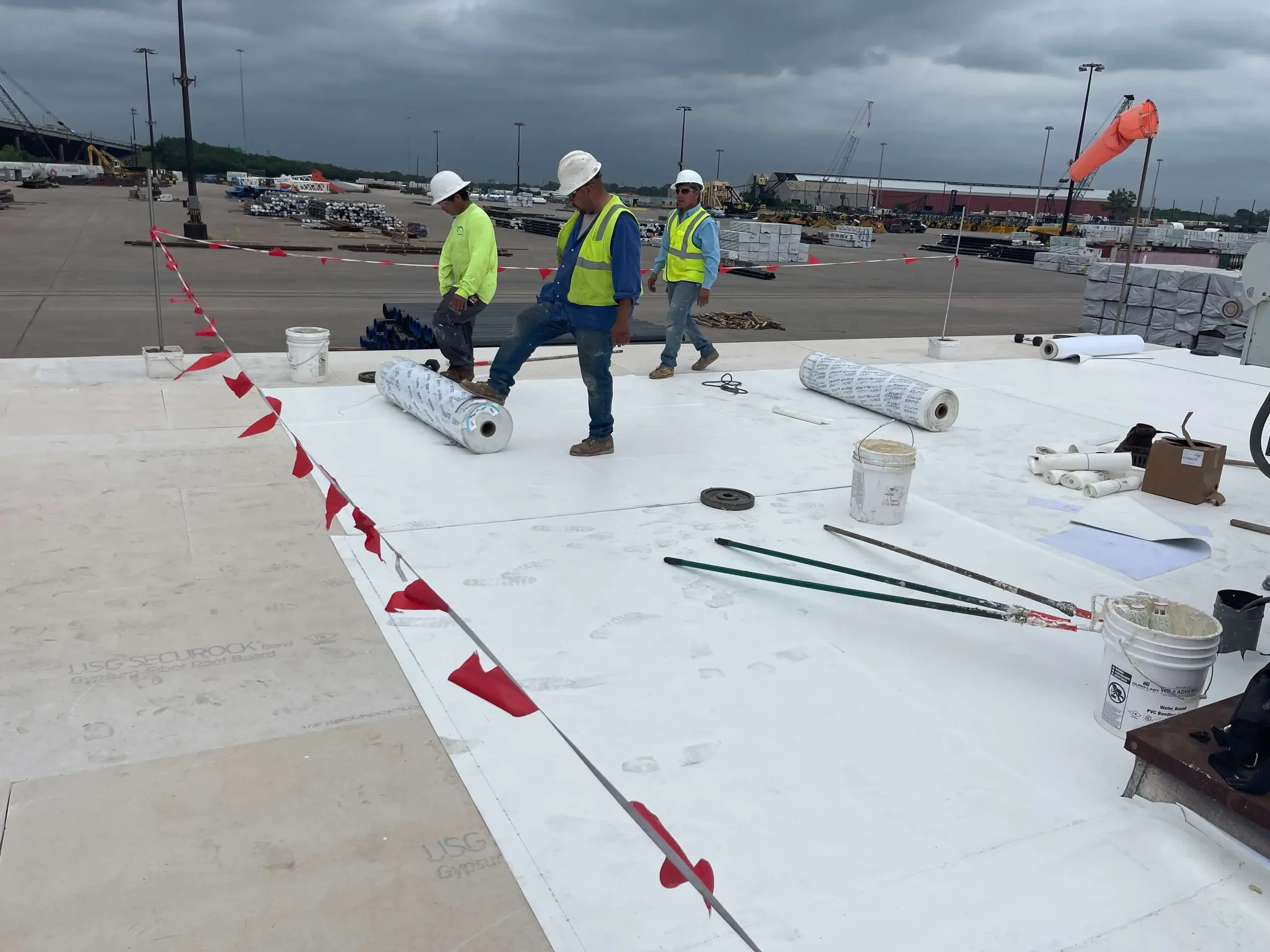
Coating projects on active manufacturing or distribution buildings still require coordination, even though the disruption is far less than a full reroof. We schedule application around production shifts, confirm rooftop equipment access stays clear, and time the work for dry weather windows so the coating cures properly before the next rain moves through. On sites where crane or lift access is shared with other maintenance work, we also coordinate equipment scheduling with the facility's own contractors to avoid conflicting reservations on the same day, which is a common scheduling headache on busier industrial properties.
Common Questions About Acrylic Coatings
Can acrylic coating fix rust on our metal roof?
Coating alone doesn't fix active corrosion. We treat and prime rust spots first, then coat, since sealing over untreated rust traps moisture and lets corrosion continue underneath.
Why would we choose acrylic over silicone?
Acrylic costs less and performs well on sloped metal roofs that shed water quickly. Silicone is the better choice specifically where ponding water is a factor, which sloped metal usually isn't.
How much can a reflective coating actually reduce cooling costs?
It depends on current roof condition and building insulation, but restoring reflectivity on a chalked or oxidized metal roof typically produces a noticeable reduction in rooftop heat load, especially on buildings with minimal insulation.
Does coating fix fastener backout issues?
No. Loose or backed-out fasteners need mechanical correction before coating. Coating over an unaddressed fastener problem doesn't stop the underlying movement.
How long before the coating cures and can handle rain?
We schedule application during dry weather windows specifically to allow full cure time before the next rain event moves through, and we'll delay a start date by a day or two rather than rush a coat onto a roof ahead of a forecast we don't fully trust.
Ready to review the roof scope?