Commercial Project Types
Office Complex Roofing in Columbus, GA
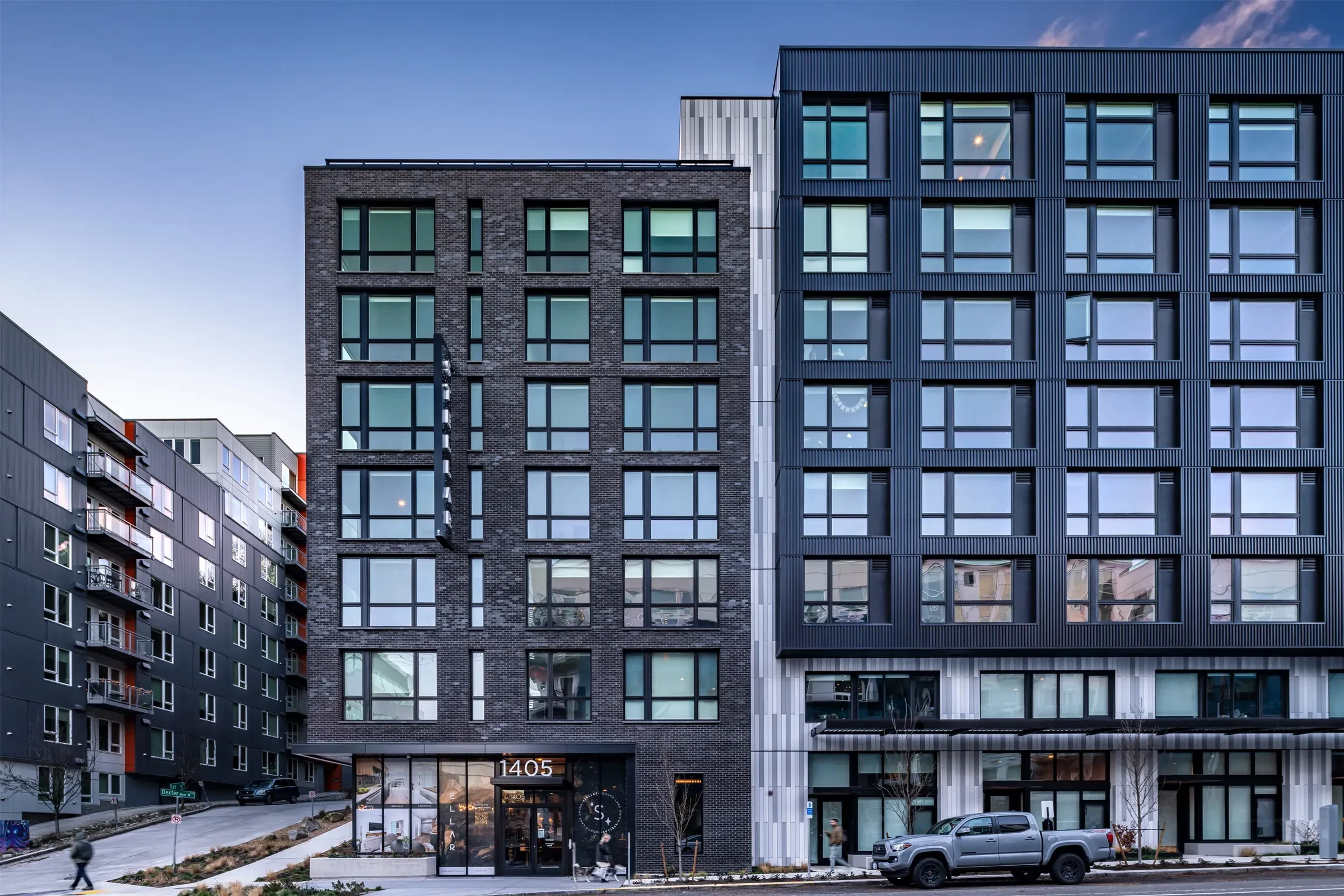
Roofing for Columbus Office Campuses and Business Parks
Columbus carries a mix of large corporate office campuses and smaller suburban office parks, and the roof over an occupied office floor gets judged on quiet, dry, and undisturbed as much as watertight. We plan tear-off and dry-in sequencing around business hours and server-room locations so the work below the roof keeps running.
Large Campus Roofs and Multi-Building Sequencing
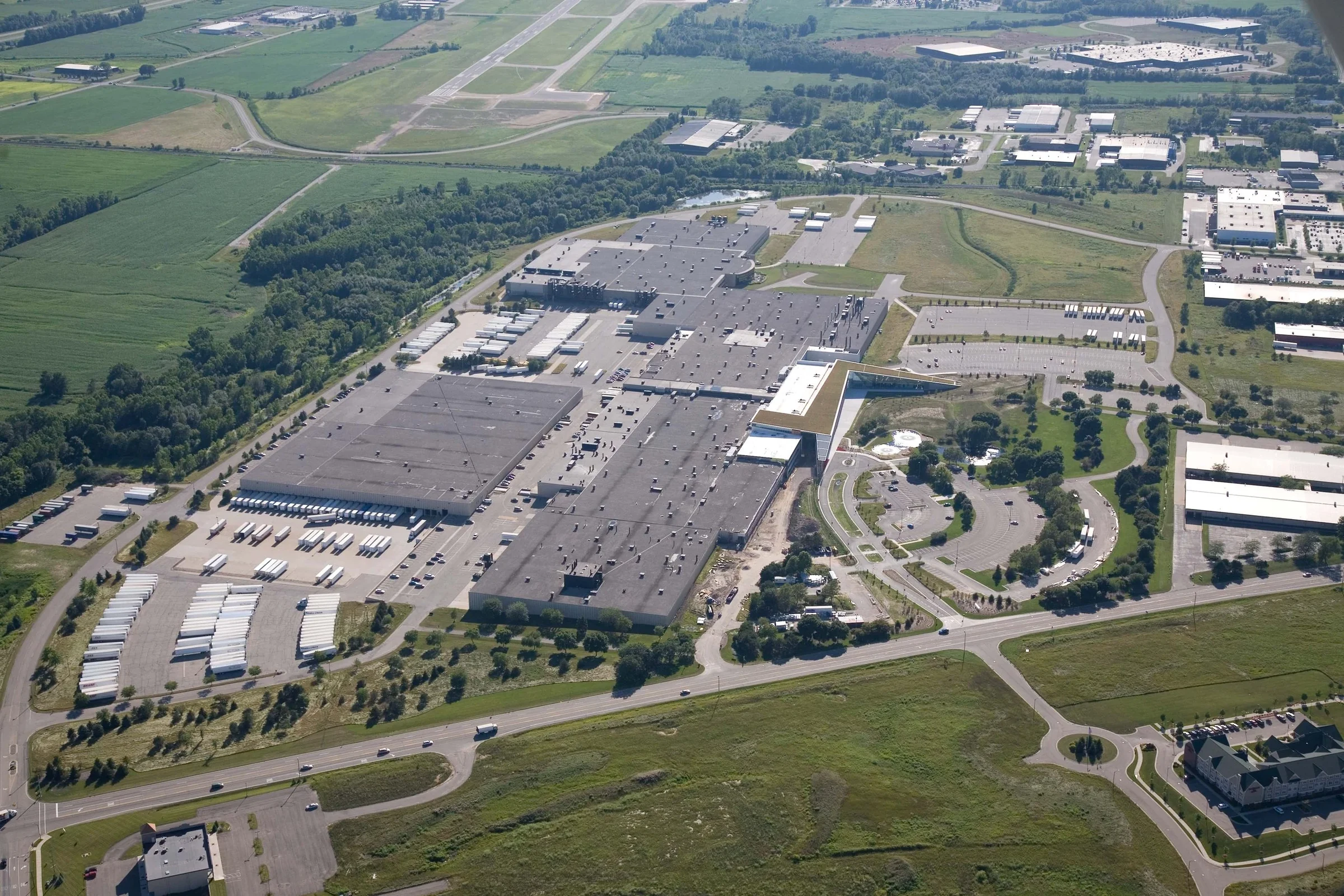
A corporate campus with several connected or adjacent buildings needs a roof plan that treats each wing as its own phase. We map roof age and drainage separately by building, since a campus built in stages usually has a roof system that was replaced in stages too.
Data closets, IT rooms, and network equipment on these campuses tend to sit under low-slope sections with the least tolerance for a leak. We confirm the location of every server room before opening a section of deck above it and keep moisture protection staged over those areas through the whole shift.
Working Above Occupied Floors
Tenants on the top floor of an office building notice tear-off noise before they notice anything else about a reroof. We schedule the loudest phases, fastener removal and deck prep, around known meeting blocks where we can get advance notice, and keep foot traffic on the roof away from skylights and HVAC curbs that sit close to occupied space.
Elevator lobbies, stairwells, and building entrances stay clear of material staging during business hours. Deliveries and debris removal move through loading areas and after-hours windows instead of the main entrance tenants and visitors use during the day.
Rooftop Equipment on Office Buildings
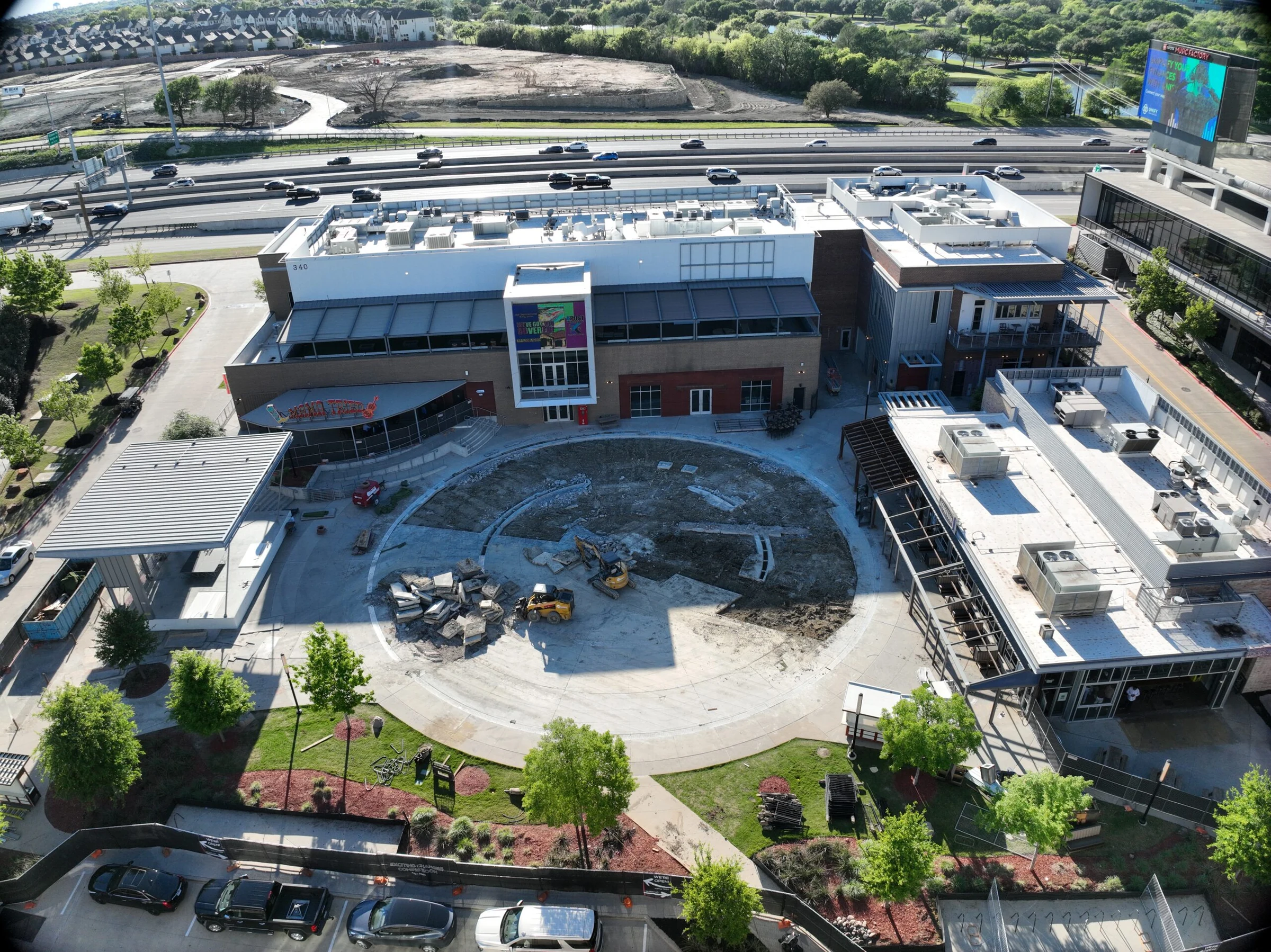
Office roofs carry a dense layout of RTUs, condensers, exhaust fans, and sometimes generator enclosures, all penetrating a membrane that has to flex around every curb. We document existing curb heights and flashing condition before proposing a system, since undersized curbs are a common source of repeat leaks on office roofs.
Coordinating with a building's mechanical contractor matters here. If RTUs need temporary disconnection or curb extension during the reroof, we sequence that work with HVAC crews so tenant comfort systems are down for the shortest window possible.
- Corporate headquarters and single-tenant office buildings
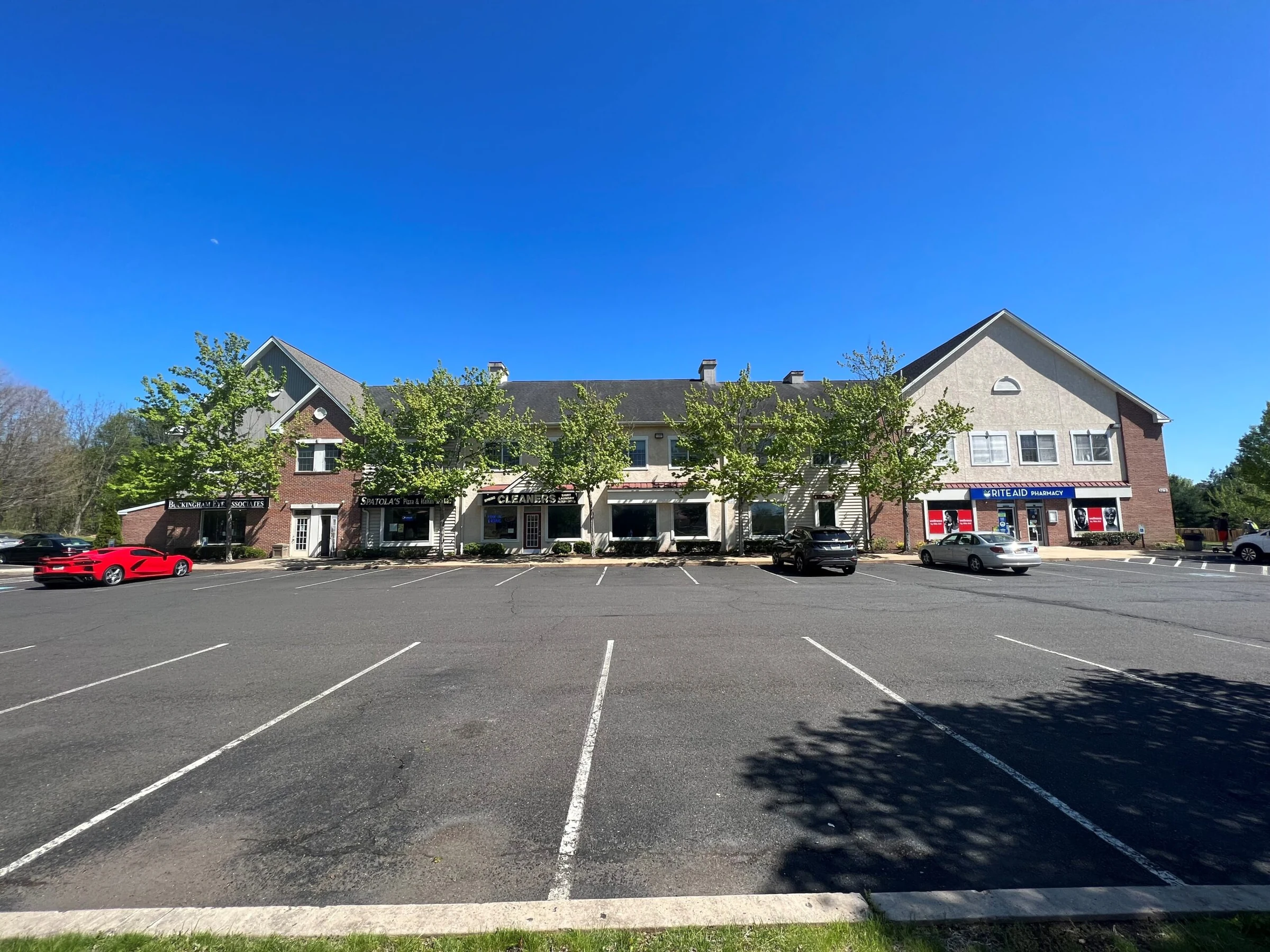
- Multi-tenant office parks and business campuses
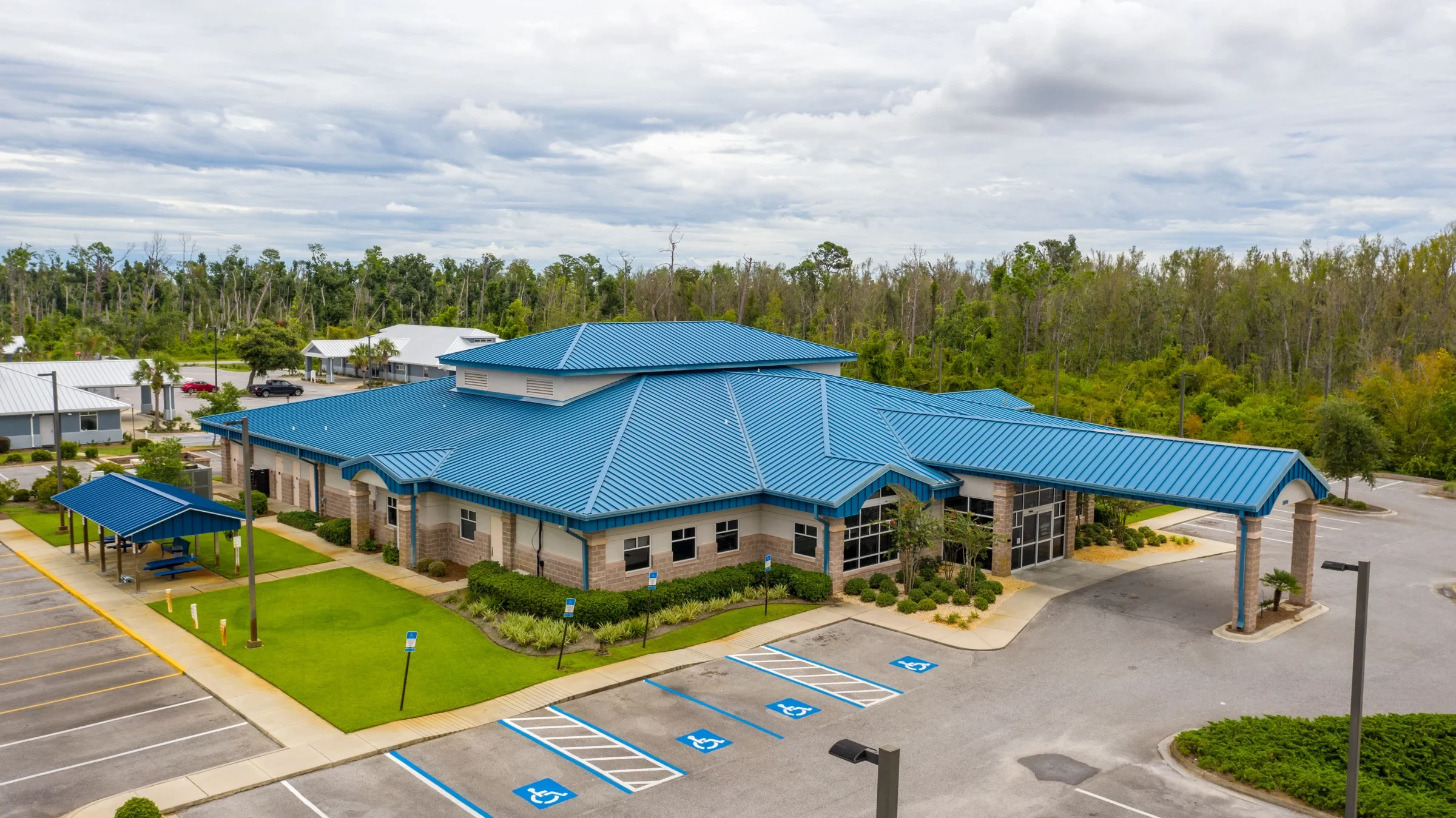
- Medical and professional office buildings
- Financial and insurance company office space
- Call center and back-office operations buildings
- Mixed-use buildings with ground-floor retail and office above
Reroofing Multi-Tenant Corporate Lease Space
Office parks with several corporate tenants under one roof mean several separate notice periods, several points of contact, and sometimes several separate lease clauses about contractor access and insurance requirements. We collect certificate-of-insurance requirements and access rules from each tenant early so scheduling does not stall waiting on paperwork once material is already staged on site.
Freight elevators and loading areas shared by multiple tenants need a booking plan the same way dock doors do on a distribution building. We reserve freight elevator time in blocks and coordinate with each tenant's office manager so deliveries for the roof project do not collide with a tenant's own furniture delivery or IT equipment install happening the same week.
Building management associations on larger office parks sometimes require a separate walkthrough and sign-off before any rooftop contractor gets badge access, and we build that lead time into the schedule the same way we account for material lead times, since a delayed badge request can hold up a crew as surely as a late membrane delivery. Getting that badge request submitted in the first week of planning, rather than the week before mobilization, has saved more schedules than any amount of on-site problem solving.
Roof Systems for Columbus Office Buildings
Most Columbus office roofs are low-slope TPO, EPDM, or older built-up systems, and the right choice depends on the building's age, insulation condition, and how much of the existing roof can stay in place. We look at whether a recover makes sense over a section with sound insulation, or whether wet insulation and deck condition point toward full tear-off.
Reflective membrane options come up often for office buildings trying to manage rooftop unit run time and interior comfort during Columbus summers. We discuss those options against the building's actual roof condition rather than defaulting to one system for every project.
Questions From Office Building Owners and Property Managers
Can office tenants stay in the building during a reroof?
Yes, most office reroofs happen with tenants in place. We schedule the loudest work in coordination with building management and keep entrances, elevators, and parking clear of staging during business hours.
How do you protect server rooms during roof work?
We identify every IT and network room location before opening the deck above it and keep that section under active moisture protection through the entire shift, well past the point where the crew has moved to the next area.
Do multiple buildings on one campus get reroofed at once?
Usually not all at once. We phase by building or wing so tenants in unaffected buildings see no disruption while work continues elsewhere on campus.
What causes repeat leaks around rooftop units on office buildings?
Undersized or corroded curbs and flashing that was never properly tied into the membrane are the most common causes. We check curb condition on every unit before recommending a repair or full system replacement.
How long does an office building reroof typically take?
It depends on square footage, the number of rooftop penetrations, and whether tear-off or recover is used. We give a phased schedule up front so building management can plan tenant notices around it.
Ready to review the roof scope?