
Service Areas
Commercial Roofing Contractors Opelika, AL
Commercial Roofers in Opelika
A practical commercial roofing plan for Opelika properties separates urgent leak control from repair, coating, maintenance, and replacement decisions supported by photos and condition findings. Opelika grew up as a mill town and now runs as an industrial and retail hub along I-85, and both halves of that history show up on its rooflines. We work everything from converted mill buildings downtown to the distribution parks near the interstate, and each one needs a different read.
Industrial Parks Along I-85
The warehouse and manufacturing buildings clustered near the interstate interchanges run on tight production schedules, and a roof leak over a line or a stored inventory area is never a minor issue for the tenant. We schedule tear-off and recover work in sections that match the building's own shift patterns, so production keeps running while we work overhead.
Most of these buildings use standing seam or R-panel metal roofing over steel frame construction, put up in the last two or three decades as suppliers moved into the corridor. We check fastener backout and panel lap seals closely, since that's where most of the leaks on this type of building actually start.
Tiger Town and the Retail Corridor
The Tiger Town retail area draws steady traffic year-round, and none of the tenants there want a construction crew visible from the parking lot during business hours if it can be avoided. We schedule the noisiest and most disruptive phases of a project for early morning or off-peak hours and keep signage and barricades minimal.
Roofs in this corridor are mostly TPO over metal deck, built out in phases as the retail area expanded, which means a single shopping center can have two or three different roof ages under one ownership. We inspect and document each section on its own rather than pricing the whole roof as a single system.
Downtown Mill District Adaptive Reuse
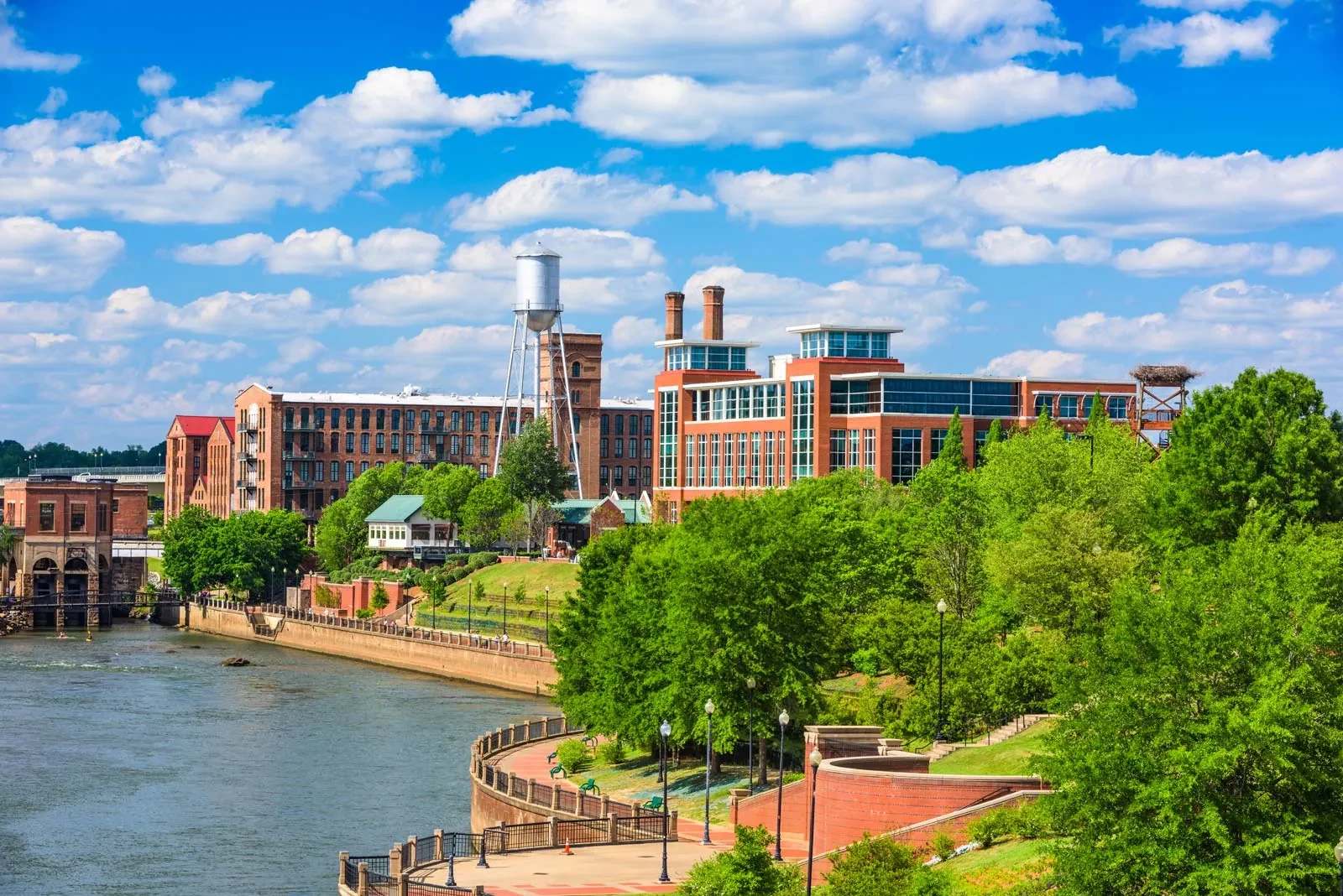
Opelika's historic mill buildings downtown, many built with heavy timber or early steel truss construction under long low-slope roofs, have been converted to offices, retail, and mixed-use space over the last couple of decades. These roofs often carry a mix of original structure and newer overlay work from different renovation phases.
We treat every mill conversion roof as its own project rather than applying a standard commercial spec. Deck condition, structural load capacity, and how the original roof drains all need direct inspection before we recommend a system, since these buildings weren't designed to modern commercial roofing standards to begin with.
- Standing seam and R-panel repair for I-85 industrial park buildings
- TPO recover and replacement for Tiger Town retail centers
- Structural assessment and custom roof planning for downtown mill conversions
- Preventive maintenance programs for multi-tenant industrial parks
- Storm and hail damage inspection after spring severe weather
- Insulation upgrades for older mill roofs with minimal existing R-value
Coordinating With Auburn's Growth Next Door
Opelika and Auburn have effectively grown into one connected commercial corridor along the interstate, and a lot of the property management groups we work with here manage buildings on both sides of the line. We keep crews and material staging flexible enough to move between the two without a separate mobilization each time.
That shared corridor also means construction activity, new retail buildout, and roofing demand tend to move together across both cities. We track which roof systems and manufacturers are performing well in this specific climate and building mix rather than applying a generic regional standard.
Climate Factors Specific to This Corridor
Summer humidity and afternoon storm activity put real stress on membrane seams across every roof type in Opelika, and the industrial buildings with the largest unbroken roof spans see the most seam movement over a hot season. We check seam integrity as a standard line item on every inspection here rather than waiting for a tenant to report a leak first.
Winter freeze-thaw cycles are mild but do occur, and older built-up roofs on the downtown mill buildings show the most wear from ponding water that freezes overnight. We flag ponding areas for correction before ice expansion turns a small crack into an active leak, and we note those low points on the inspection report so an owner can track whether a given area is getting worse year over year.
Questions Opelika Building Owners Ask Us
Can you work around active production schedules at an industrial park building?
Yes. We build the work sequence around the tenant's shift and production schedule rather than a generic timeline, and we coordinate directly with the facility's operations lead before mobilizing.
What roof system works best for a converted mill building downtown?
It depends entirely on the deck and structure underneath, which varies building to building in the mill district. We inspect the structure first and won't recommend a system until we've confirmed what the roof can actually support.
Do you service buildings in both Opelika and Auburn without added cost?
Yes, since the two cities function as one connected corridor for a lot of our commercial clients, we keep crews and materials staged to move between them without a separate mobilization charge.
How do you handle roof work at a retail center during business hours?
We schedule the disruptive phases of the job for early morning or off-peak hours and keep the site as low-visibility as possible from the parking lot, so foot traffic and sales aren't affected.
What's the biggest roof risk for industrial buildings in this corridor?
Fastener backout and seam failure on metal panel roofs are the most common issues we find, usually from age and thermal movement rather than a single storm event. Regular inspection catches these before they become active leaks.
Ready to review the roof scope?