Industries We Serve
Manufacturing Plant Roofing in Columbus, GA

Roof Work Scheduled Around the Production Line, Not the Other Way Around
A supplier plant feeding the Kia assembly operation in West Point runs on just-in-time delivery windows, and a roof leak over a production line or parts inventory area creates cost that compounds by the hour, since a stopped line at a supplier can ripple straight back to the assembly plant itself. We plan every manufacturing project around keeping the line running, with contingency built in before day one rather than figured out after something goes wrong, since a plant manager doesn't have time to improvise around a roofing surprise.
The I-85 Supplier Corridor Between LaGrange and West Point
The stretch of I-85 running through LaGrange and West Point carries a dense cluster of automotive supplier plants tied to Kia Georgia, along with distribution and light manufacturing operations in the industrial parks around Opelika. These buildings run production schedules with narrow tolerance for downtime, and roof access has to work around forklift traffic, staging areas, and line changeovers that can shift day to day.
We coordinate directly with plant operations staff, in addition to facilities, since a manufacturing roof project touches production scheduling in ways a typical office building project doesn't, and operations is usually the group that feels an interruption first. We ask for a plant tour before finalizing a schedule whenever possible, since seeing the actual floor layout tells us more about access constraints than a set of drawings ever could.
Roof Penetrations and Process Equipment
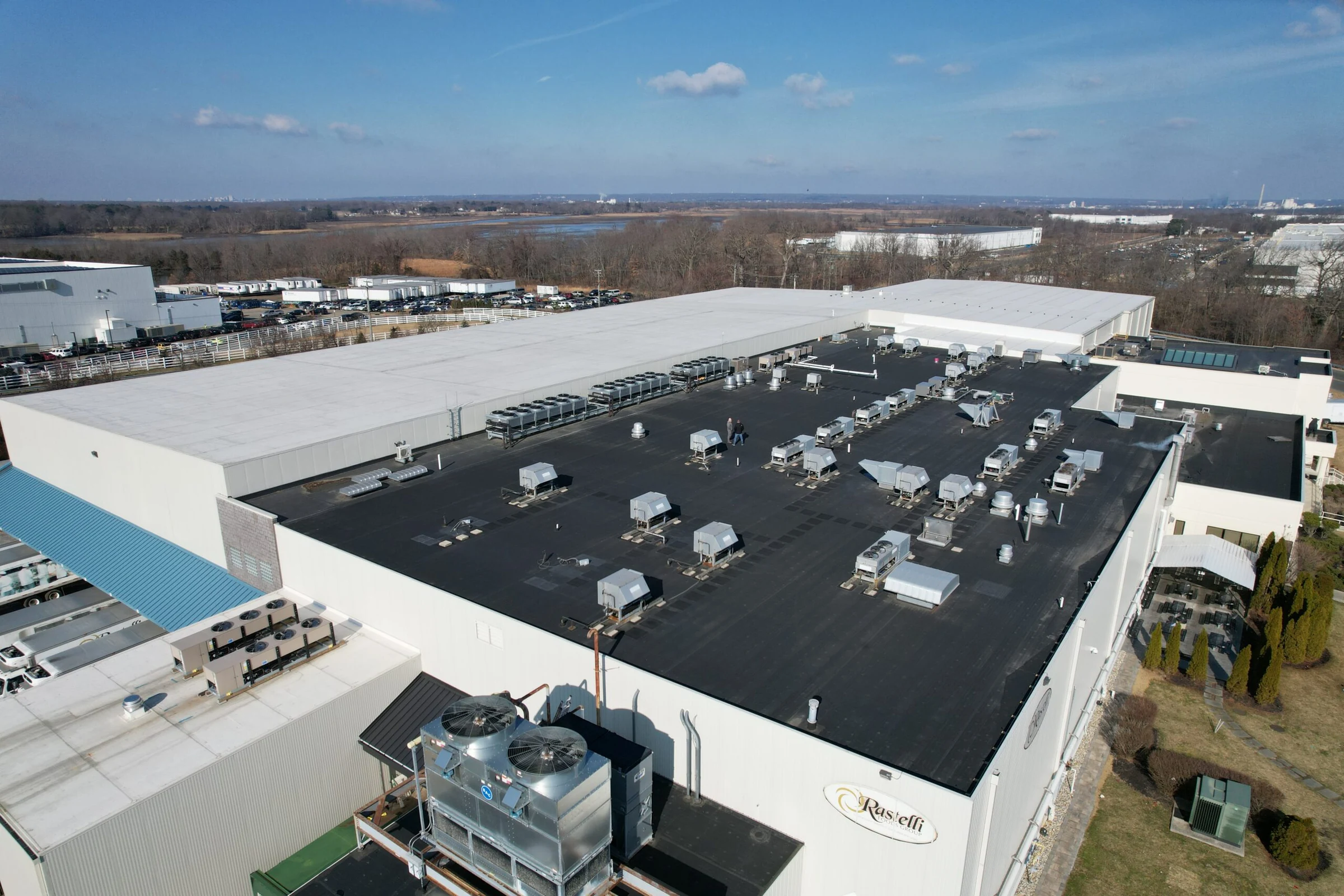
Manufacturing buildings often have rooftop-mounted exhaust, dust collection, and process ventilation equipment tied directly to production operations. We map every penetration and curb before starting so we know exactly what's live, what can be temporarily isolated, and what absolutely cannot go offline during the shift without a documented backup plan.
Paint booths, welding operations, and other process areas sometimes have fire suppression tie-ins at the roof level that require coordination with the plant's safety team before any work begins near those zones, and we don't skip that step even on a small repair. A five-minute conversation with a safety coordinator before we open a section near a suppression tie-in has saved us from bigger problems more than once.
Protecting Inventory and Equipment Below the Deck
A leak over raw material storage, finished parts inventory, or sensitive production equipment can cost far more than the roof repair itself. We stage interior protection and monitor weather closely during any phase where the deck is open, and we don't leave a section exposed against an incoming forecast, even if that means adjusting the day's plan on short notice.
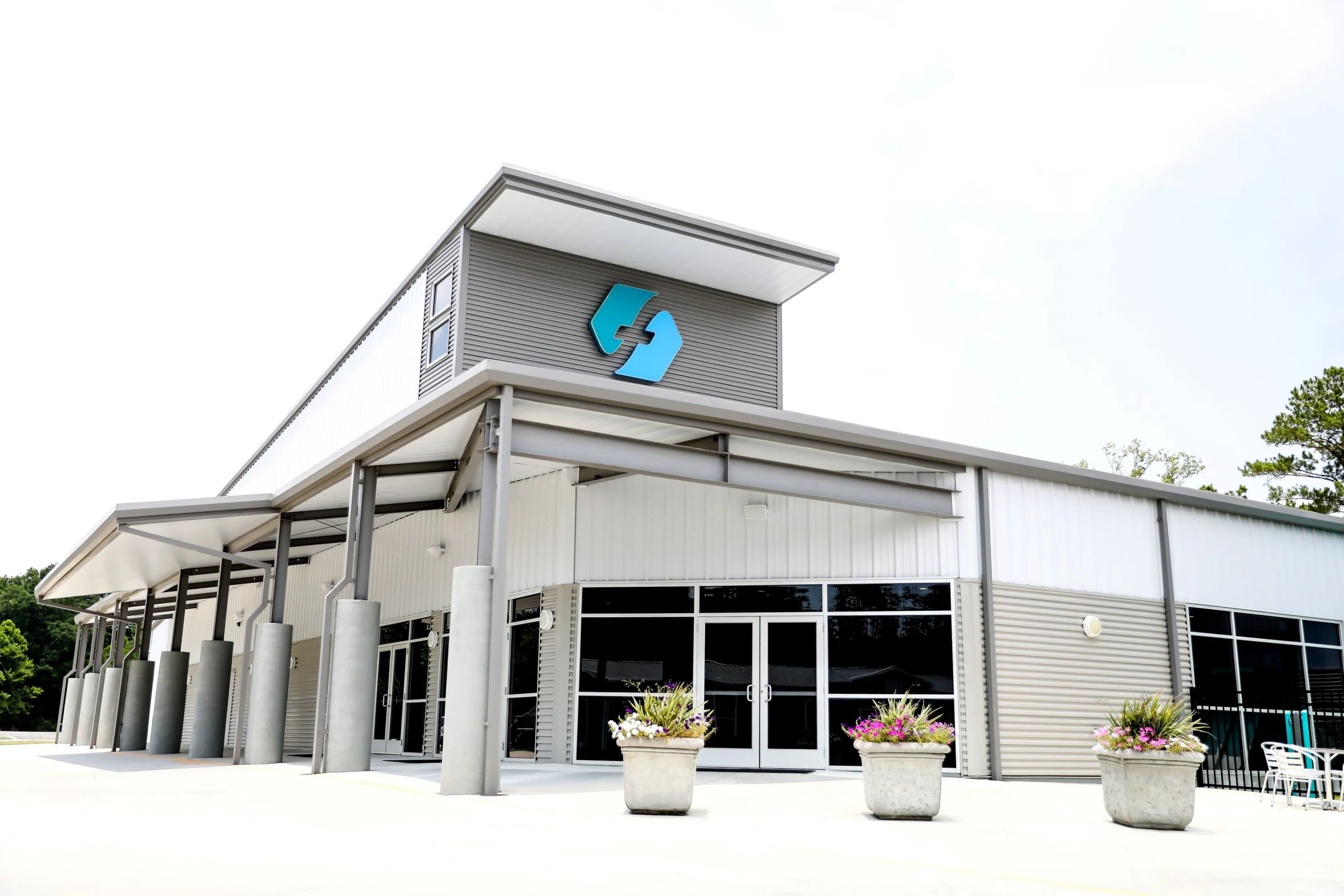
Metal building roofs common on manufacturing and warehouse construction along this corridor develop their own failure patterns around fastener backout and panel seams, which we check specifically rather than treating every metal roof the same way a membrane system gets evaluated.
Shift Work and Access Coordination
Plants running multiple shifts need roof access planned around shift changes, break schedules, and any areas where overhead work would interfere with a line that's actively running below. We build a schedule with the plant's operations team so our crew's presence never becomes a safety or production issue on the floor.
Where a plant runs three shifts with only a short overlap window for maintenance, we ask about that window early and structure our own crew hours to match it rather than assuming standard business hours apply. Forklift and cart traffic patterns near a loading dock also factor into where we stage material lifts, since blocking a dock door for even twenty minutes can back up an entire receiving schedule.
What Manufacturing Operators Get From Us
- Coordination with plant operations, in addition to facilities, before scheduling
- Full mapping of process equipment penetrations before work starts
- Interior protection for inventory and equipment during open-deck phases
- Shift-aware scheduling that avoids interfering with an active line
- Attention to fastener backout and seam wear specific to metal roofs
- Fire suppression tie-in coordination near paint and welding zones
Questions Plant Managers Ask
Can you work without shutting down process exhaust equipment?
In most cases yes. We map every rooftop connection first and coordinate with your team on what can be temporarily isolated versus what has to stay live throughout the shift. We'd rather ask an extra question about a system we're not sure of than guess wrong on something tied to safety or production.
How do you protect production equipment during an open-deck phase?
We stage interior protection before opening any section and track weather closely so nothing stays exposed against an incoming system overnight, adjusting the schedule if conditions change.
Can you schedule around our shift changes?
Yes. We coordinate directly with plant operations on shift timing so our crew's access never interferes with an active production line or a changeover window. We'll ask operations for the shift calendar early so it's built into our plan from the start, not adjusted on the fly.
Do you handle metal building roofs differently than membrane roofs?
Yes. We check fastener backout, seam condition, and panel wear specific to metal systems rather than applying a membrane roof checklist to a metal roof, since the failure points aren't the same.
Can you coordinate with our safety team near paint or welding areas?
Yes, we work directly with plant safety staff on any fire suppression tie-ins or hazard zones before scheduling work near those areas, even for a small repair.
Ready to review the roof scope?